
Home / The Ultimate Guide to Air Purification
Cleaner indoor air can make everyday spaces feel more comfortable, whether that is an office, nursery, waiting room or shop. But which problems can an air purifier actually help with, and where do ventilation and regular cleaning still matter? This guide explains the technology in plain English and shows what it means for the people using your building. Explore the ten topics below to find the advice that best fits your space. Whether you are researching commercial air purifiers or simply wondering how to improve indoor air quality, start with the practical issue you want to solve.
Speak to a Clean Air Specialist
The Ultimate Guide to Air Purification
A Guide to Commercial Air Purification & Clean Air.
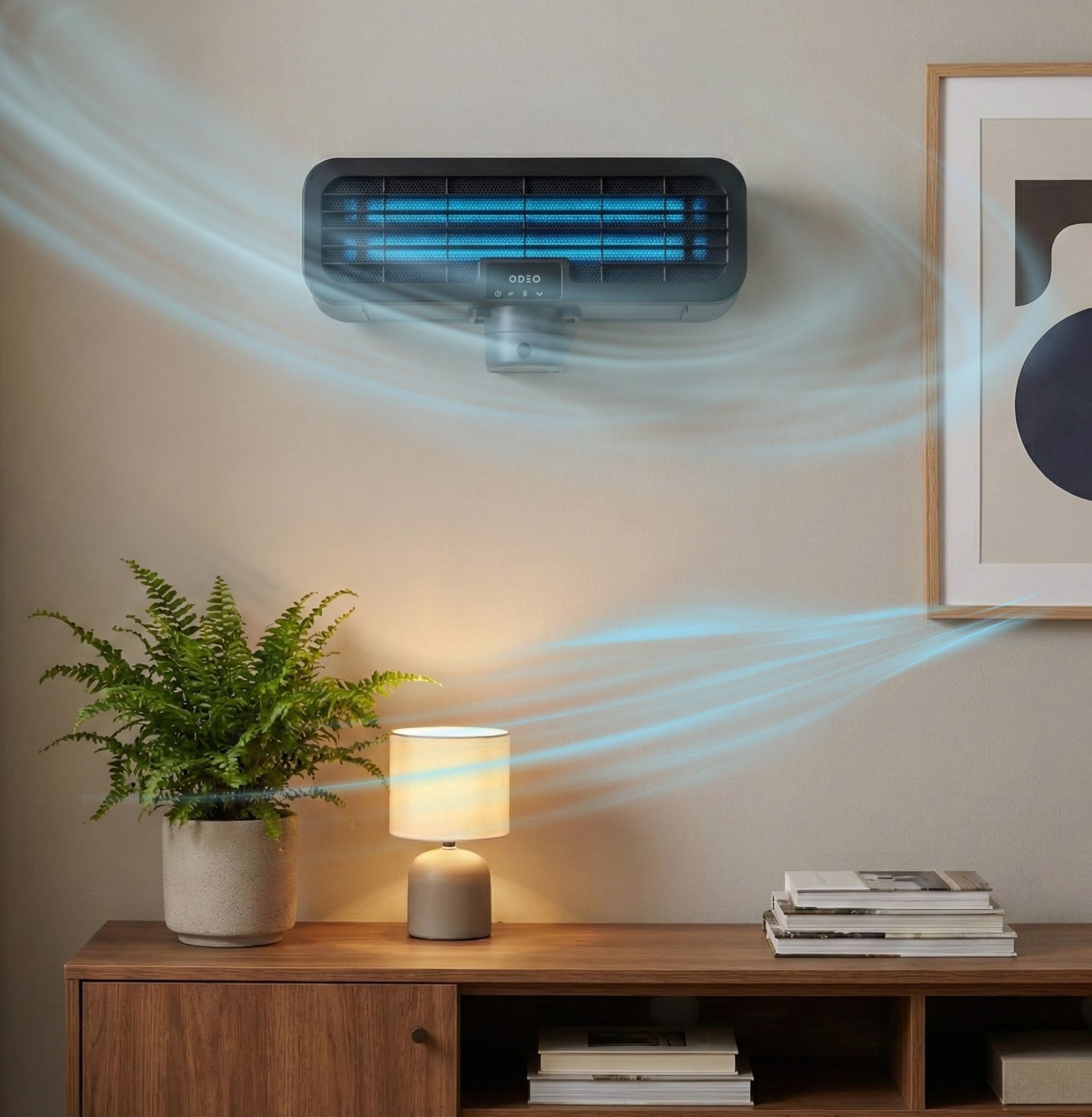
The Importance of Indoor Air Quality
Indoor air quality describes the air people breathe inside buildings. It is influenced by airborne particles, gases, moisture, temperature, occupancy and outdoor pollution entering the building. Understanding these factors helps businesses decide which problems call for source control, ventilation, better cleaning or supplementary air purification.
Find Out More

Signs and Causes of Poor Indoor Air Quality
Indoor pollution can be difficult to recognise because not all contaminants produce an obvious smell or visible haze. Persistent dust, unpleasant odours, condensation and complaints of stuffiness may indicate a problem, but a proper investigation should identify the underlying cause before solutions are chosen.
Find Out More

Understanding How Air Purifiers Work
Air purifiers are designed to draw contaminated room air through one or more filtration or treatment stages and return it to the room. Different systems address different pollutants. Understanding filter efficiency, airflow, treatment technologies and limitations makes product comparisons more meaningful.
Find Out More
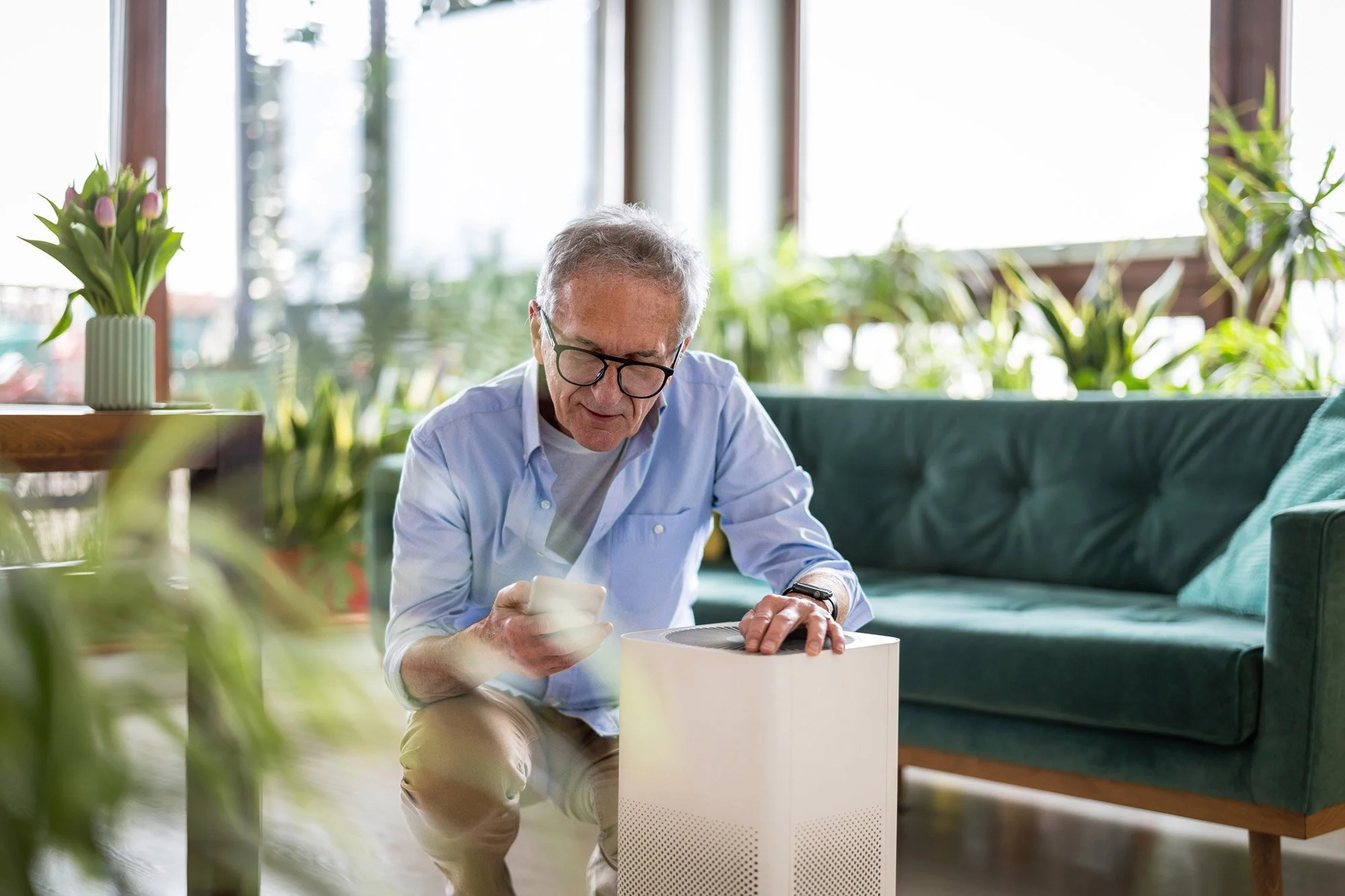
The Benefits of Air Purification
Air purification can reduce airborne particles and, with appropriate media, certain odours or gaseous pollutants. It can support indoor comfort, but its effectiveness depends on correct sizing, placement, running time and maintenance. It works best as part of a broader indoor-air strategy.
Find Out More

Air Purification for Dust, Odours & Allergens
Dust and allergens are largely associated with particles, while many odours arise from gases. This distinction is important: HEPA filtration captures particles, whereas suitable activated carbon media adsorb certain gases. Identifying the pollutant is the starting point for effective air cleaning.
Find Out More

Air Purifiers and Employee Wellbeing
Employee wellbeing is affected by many aspects of the workplace, including temperature, noise, ventilation and airborne irritants. Suitable air purification can contribute to better-managed indoor conditions, particularly in offices and shared rooms, but it should not be treated as a substitute for adequate fresh air.
Find Out More
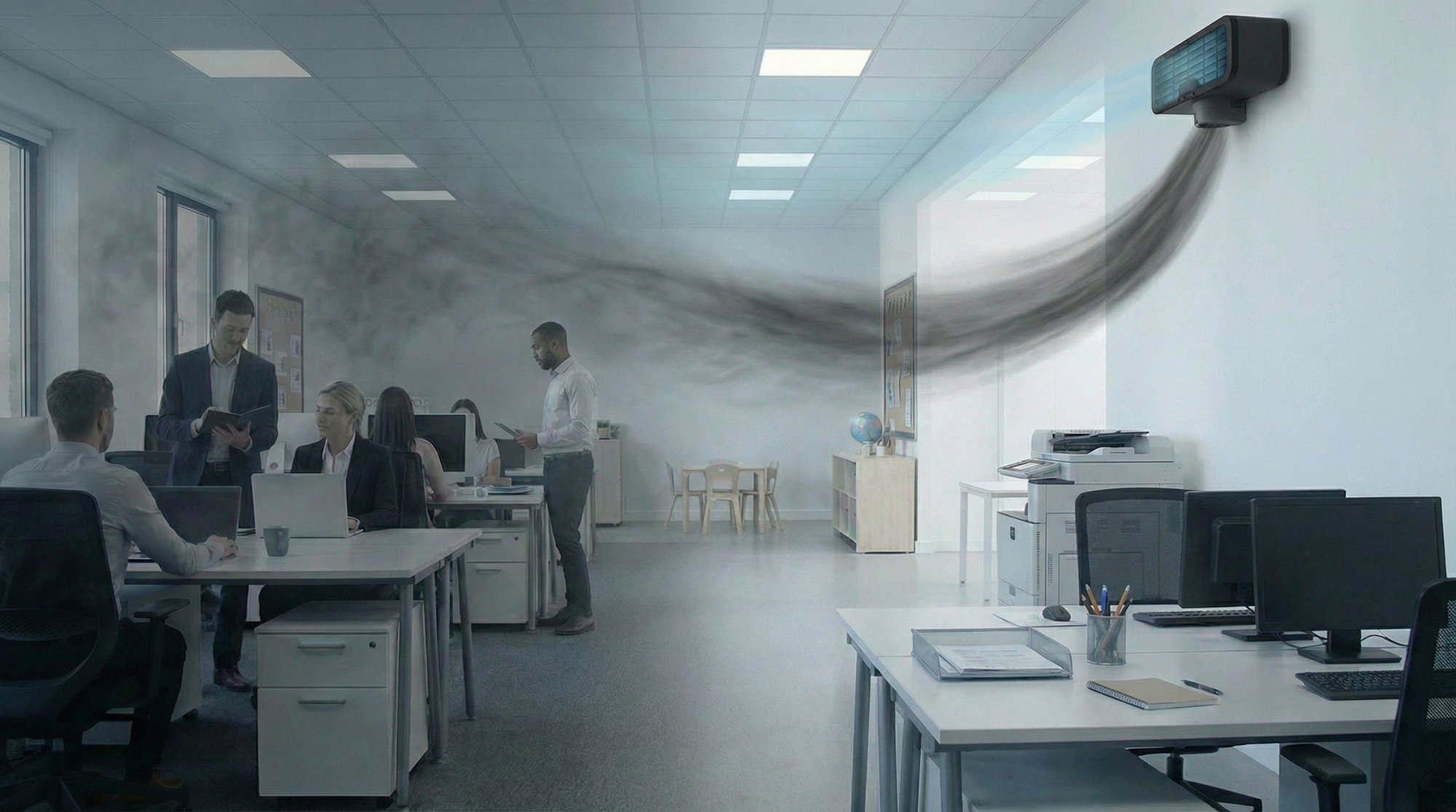
The Cost of Air Purifiers
The cost of a purifier is not just its purchase price. Energy use, replacement filters, servicing, installation and the number of units required can all influence lifetime expenditure. Comparing equipment on cleaning performance and total cost provides a more realistic basis for a decision.
Find Out More

Air Quality and Customer Experience
Air quality can shape how comfortable visitors feel in a building. Lingering odours, visible dust or stuffiness may detract from the experience. For customer-facing environments, a practical plan should combine cleaning, ventilation, pollution prevention and appropriately selected air treatment where needed.
Find Out More

Air Purifier Maintenance and Care
Routine care is essential if a purifier is to maintain its intended airflow and treatment performance. Filter loading, blocked vents and ageing components can affect operation. Maintenance intervals depend on the individual model, environment and manufacturer instructions.
Find Out More
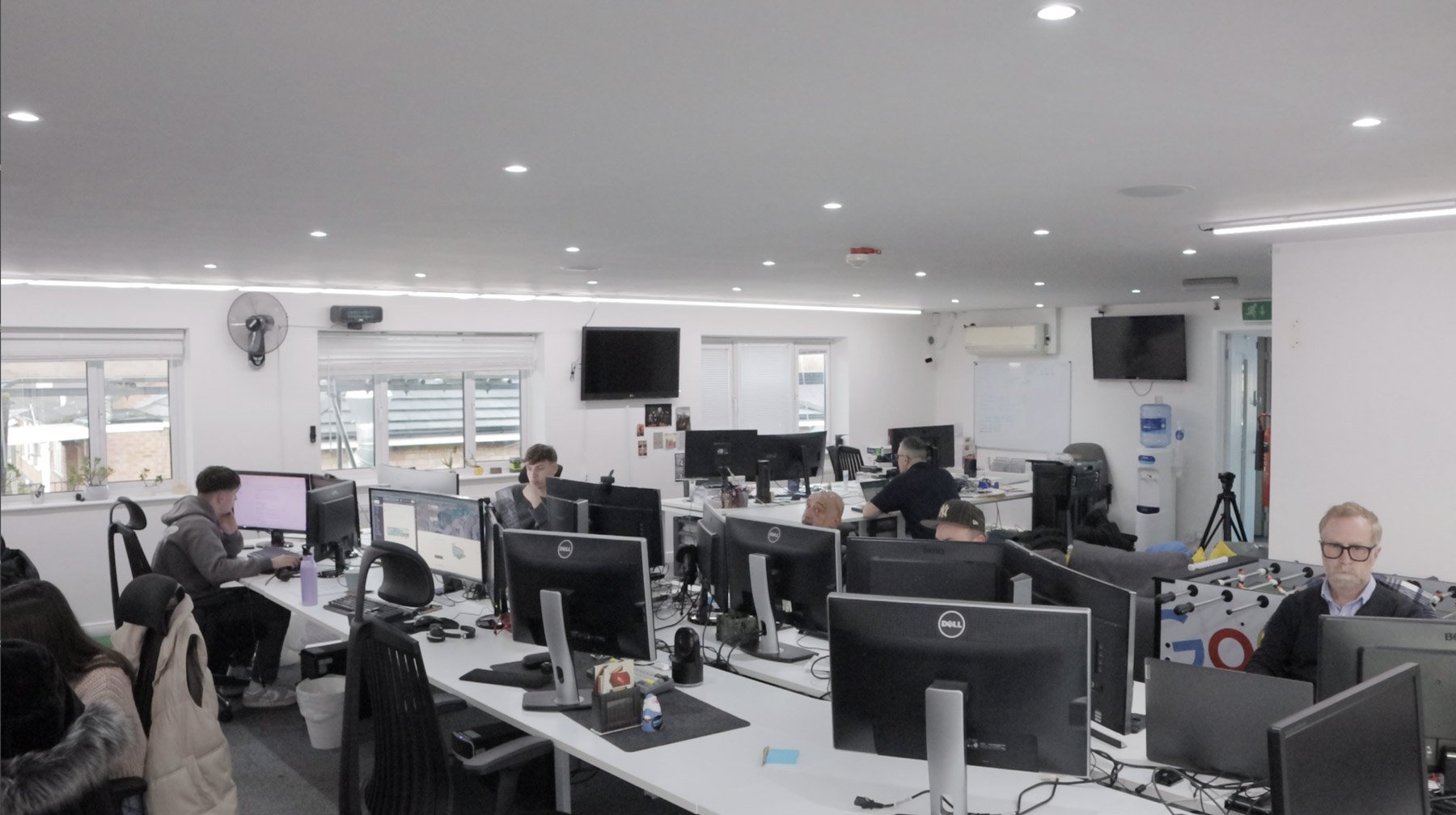
Improving Indoor Air Quality in the Workplace
Improving air quality in workplaces is a process, not a single purchase. Start by identifying sources and reviewing ventilation, moisture, cleaning and occupancy patterns. Monitoring and correctly specified air purification may then help address remaining airborne contaminants.
Find Out More
Discover our Products Certification and Testing
Find Out More
Explore the certifications and independent tests that demonstrate our air purifiers’ safety, reliability, and effectiveness. See how they meet international standards for reducing airborne bacteria, viruses, fine dust, and allergens.
Contact
Install HEPA Air Purifiers in
Your Nursery Today
New DfE guidance recommends that nurseries actively monitor indoor air quality. Most settings haven't started yet, and most have never had a professional test.
A free on-site health check takes one visit. We bring professional monitoring equipment, take CO₂ and particulate readings in your main activity rooms, and give you a plain-English summary of exactly what's in your air.
No jargon. No obligation. You keep your data regardless of what you decide.
We also work with care homes, funeral directors, hospitals and other sensitive environments where air quality directly affects the people in your care.
What to do: Complete the form, and we'll be in touch to arrange your Air Quality Test.
Not ready to book yet? Download the free Nursery Air Quality Risk Review first