
Home / A Guide to Commercial Air Purification / Air Purification for Dust, Odours and Allergens
Air Purification for Dust, Odours and Allergens
Air Purification for Dust, Odours and Allergens

Not every air-quality problem needs the same solution. Dust and many allergens travel through the air as particles, while some lingering smells come from gases. HEPA and activated carbon tackle these in different ways. Knowing the difference helps you avoid buying the wrong equipment and understand what else needs doing, from regular cleaning to fixing damp. A HEPA air purifier is generally used for airborne dust and allergens, while activated carbon is worth considering when certain odours or gases are the concern.
Speak to a Clean Air Specialist
How are dust, odours and allergens different?
Dust and many allergens are particulate, whereas many odours arise from gas molecules. Distinguishing particles from gases determines whether a HEPA filter, activated carbon or another control is appropriate. The HEPA filtration guide explains particle capture without implying that every gas is removed. In plain English, it helps to know whether you are dealing with particles or smells.
Do HEPA air purifiers remove dust from the air?
HEPA media traps airborne particles passing through it. It is useful for fine dust, but settled dust still needs cleaning and newly generated particles can raise levels again. The whole-device airflow is as important as filter class. In compact settings, Aeroguard Mini is one product to evaluate for airborne particulate control. For a dusty office, this means less material circulating in the air, not dust-free furniture.
Can air purifiers remove pollen and airborne allergens?
A suitable high-efficiency particle filter can reduce airborne pollen. Outdoor pollen still enters through doors, clothing and ventilation. Sensible cleaning and entry management are helpful alongside filtration. Seasonal ventilation practices may influence pollen exposure even when the same filter is used. That is particularly useful when people keep doors open during the warmer months.
Speak to a Clean Air Specialist

What about pet dander and animal allergens?
Airborne animal dander can be captured by HEPA-based units, but allergenic material deposited in carpet or upholstery requires cleaning. Animal-related premises may also need targeted odour source control. Animal allergens can persist in upholstery long after the animal has left a room. In vet practices, this is why cleaning beds and waiting areas remains essential.
Can filtration remove mould spores?
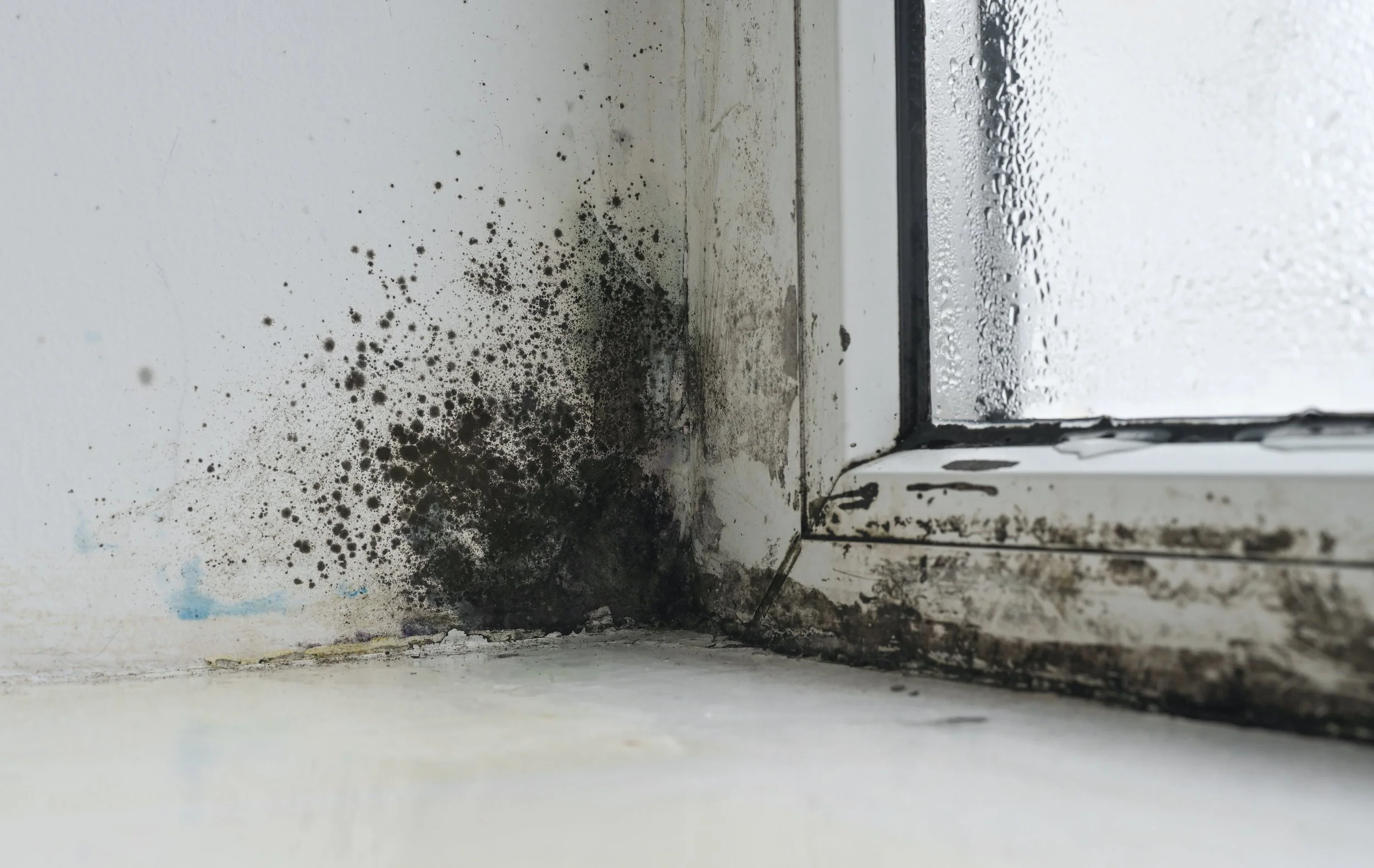
HEPA filtration can capture spores suspended in air and drawn through a unit. It will not remove mould growth on walls or fix the dampness that supports it. Moisture investigation and remediation take priority. Review the mould spores guidance before choosing equipment for buildings with known damp problems. A damp wall still needs fixing even if airborne spore levels are reduced.
Can activated carbon air purifiers remove odours?
Porous activated carbon adsorbs selected gas-phase compounds onto its surface. Its capacity is finite, and performance varies with the gas, media quantity, humidity and contact time. Thin carbon layers should not be assumed to remove all VOCs. A Philipiak model provides an example of multi-stage purification to compare for mixed pollutants. For customers, this may mean fewer lingering smells, but not an instant fix for every odour.
Speak to a Clean Air Specialist
Will HEPA remove chemical fumes?
A HEPA filter primarily addresses particles, not gases. Some chemical vapours may require effective ventilation, source removal or tested gas-phase sorbents. Identify the substance before specifying a treatment. Carbon replacement frequency may increase where a continuous odour source cannot be eliminated. If a chemical smell is strong, find the source instead of assuming any filter will remove it.
What about smoke and cooking odours?
Smoke often includes both particles and gases. HEPA filtration may reduce its particle component, while suitable activated carbon can help with certain odours. Kitchen extraction and avoiding indoor combustion sources remain key. Some combustion pollutants require dedicated extraction and safety checks, not just room filtration. Busy kitchens need proper extraction even when a room air cleaner is running nearby.
Should businesses use ozone to tackle odours?
Purposeful ozone generation is not a suitable general indoor-air solution because ozone can irritate airways. Prefer source reduction, ventilation and suitably tested filtration technologies without unsafe secondary emissions. An odour-control strategy should also prevent new fragrances from becoming unwanted airborne irritants. Using the wrong device can introduce another problem instead of making air more comfortable.
Contact Us

Which approach suits mixed contaminants?
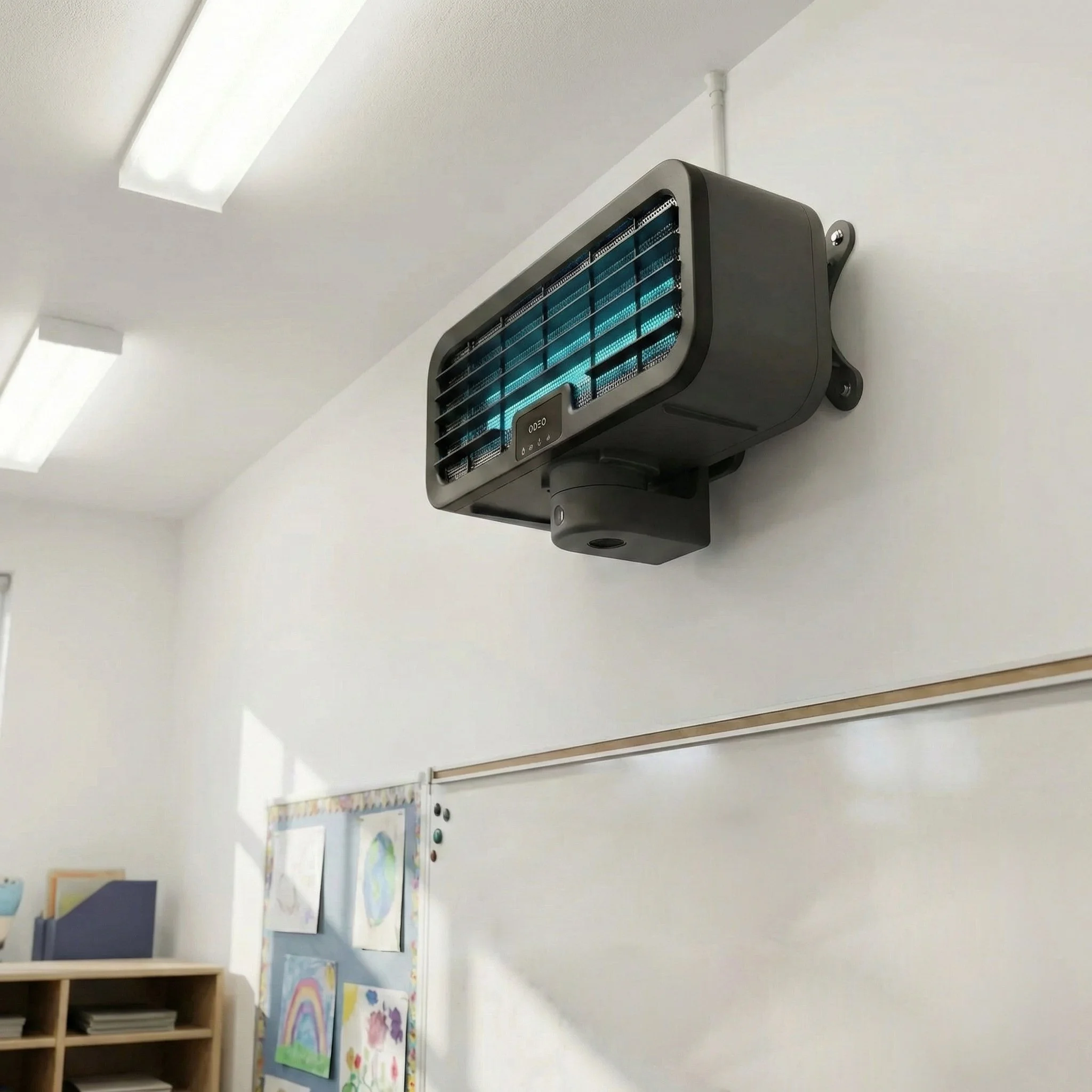
For combined particles and gaseous odours, a unit with substantial HEPA and activated-carbon stages may be appropriate. UV-C has a distinct role concerning microorganisms. Compare measured performance rather than assuming every multi-stage system performs equally. Request performance information for each contaminant separately, including the conditions used during testing. Start with what your building actually produces, then match the technology to that need.
-
Delivery Across The UK
We Share Clean Air supplies and installs professional HEPA air purification systems for businesses, schools, healthcare settings, care homes, and commercial environments across the UK with tailored support and reliable nationwide delivery.
-
Ongoing Maintenance Options
Our ongoing maintenance and servicing options help keep HEPA air purifiers operating efficiently, supporting long-term filtration performance, improved indoor air quality, and reduced disruption within commercial environments.
-
Customer Service
Our experienced clean air specialists provide tailored guidance, product recommendations, and ongoing support to help businesses choose the right HEPA air filtration solution for their environment, occupancy levels, and indoor air quality requirements.
Our Air Purification Technology
Our advanced air purification systems combine HEPA filtration, activated carbon filtration, and UV-C air treatment to help improve indoor air quality across commercial environments. Together, these technologies help reduce airborne particles, odours, pollutants, and contaminants while supporting cleaner, fresher, and healthier indoor spaces for staff, visitors, customers, and occupants.
-
1. HEPA 13 Filter
HEPA filtration captures microscopic airborne particles such as dust, pollen, allergens, mould spores, and fine particulate matter. Designed for high-efficiency air purification, HEPA filters help improve indoor air quality and support cleaner, healthier commercial environments.
Learn More -
2. Activated Carbon Filter
The activated carbon layer absorbs odours, chemical fumes and volatile organic compounds (VOCs) released from cleaning products, paints, furniture and cooking. This stage helps keep indoor air fresh and free from irritants that can affect respiratory comfort.
Learn More -
3. UVC
The UV-C treatment chamber uses short-wavelength ultraviolet light technology within the airflow system as part of the wider air purification process. Combined with HEPA and carbon filtration, this stage supports cleaner indoor air and helps maintain fresher commercial environments throughout the day.
Learn More
Discover our Products Certification and Testing
Find Out More
Explore the certifications and independent tests that demonstrate our air purifiers’ safety, reliability, and effectiveness. See how they meet international standards for reducing airborne bacteria, viruses, fine dust, and allergens.
Contact
Install HEPA Air Purifiers in
Your Nursery Today
New DfE guidance recommends that nurseries actively monitor indoor air quality. Most settings haven't started yet, and most have never had a professional test.
A free on-site health check takes one visit. We bring professional monitoring equipment, take CO₂ and particulate readings in your main activity rooms, and give you a plain-English summary of exactly what's in your air.
No jargon. No obligation. You keep your data regardless of what you decide.
We also work with care homes, funeral directors, hospitals and other sensitive environments where air quality directly affects the people in your care.
What to do: Complete the form, and we'll be in touch to arrange your Air Quality Test.
Not ready to book yet? Download the free Nursery Air Quality Risk Review first