
Home / Explore / Air Purifier for Mould Spores in Commercial Spaces
Air Purifier for Mould Spores in Commercial Spaces
Air Purifier for Mould Spores in Commercial Spaces
Mould spores in the air can quickly impact indoor air quality, leading to health concerns, reduced productivity, and unpleasant environments. In workplaces, schools, and healthcare settings, airborne mould is often invisible but highly disruptive.
Advanced air purification systems help capture and reduce mould spores, improving air quality and supporting healthier indoor environments. We Share Clean Air provides professional solutions designed to tackle airborne pollutants, including mould, with reliable and effective filtration technology.
Speak to a Clean Air Specialist
Explore Our Products

-
Delivery Across The UK
We Share Clean Air supplies and installs professional HEPA air purification systems for businesses, schools, healthcare settings, care homes, and commercial environments across the UK with tailored support and reliable nationwide delivery.
-
Ongoing Maintenance Options
Our ongoing maintenance and servicing options help keep HEPA air purifiers operating efficiently, supporting long-term filtration performance, improved indoor air quality, and reduced disruption within commercial environments.
-
Customer Service
Our experienced clean air specialists provide tailored guidance, product recommendations, and ongoing support to help businesses choose the right HEPA air filtration solution for their environment, occupancy levels, and indoor air quality requirements.
Why Mould Spores Are a Problem in the Workplace
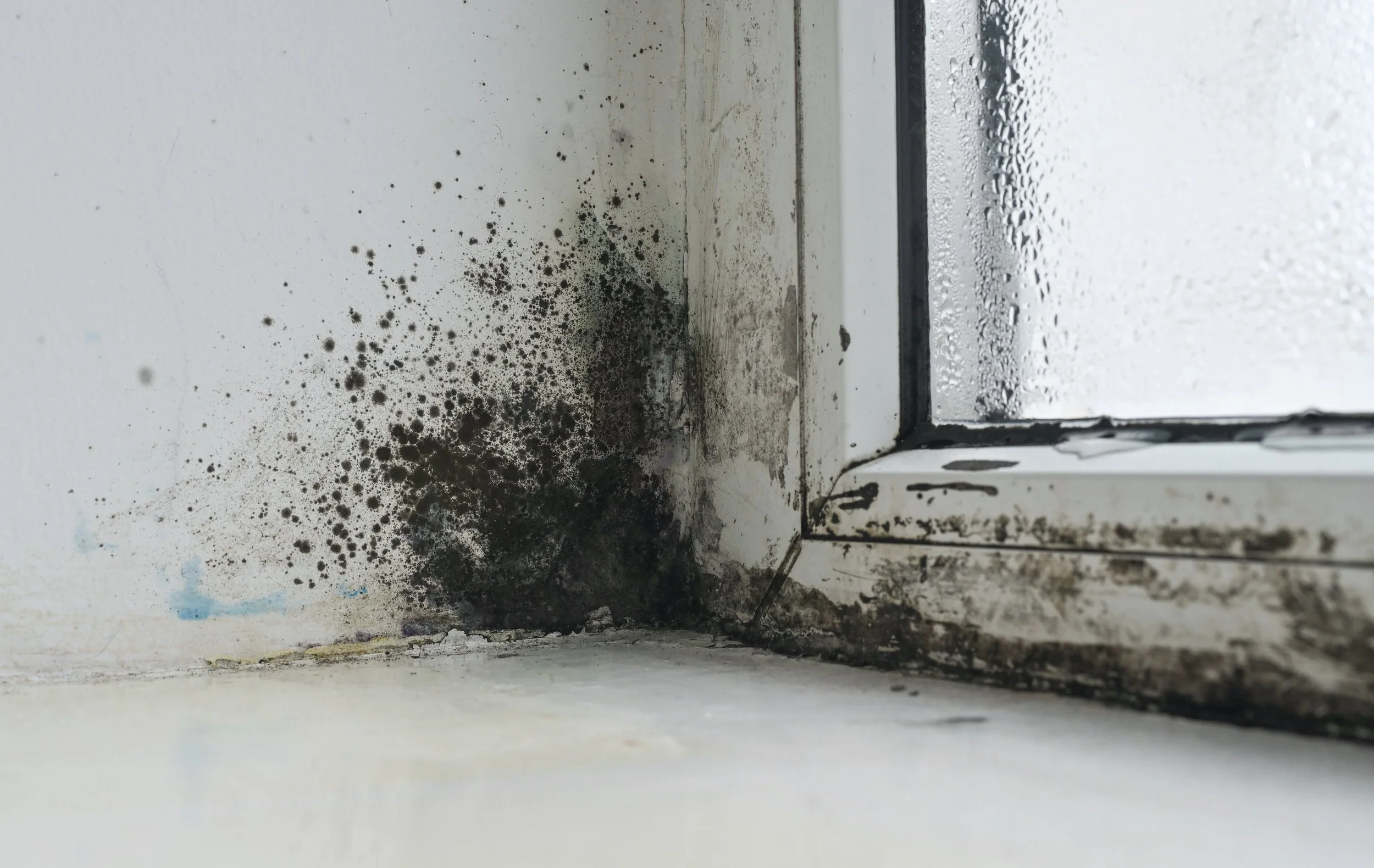
Mould spores are naturally present in the air, but in indoor environments they can quickly build up and become a serious issue. Poor ventilation, excess moisture, and high occupancy levels all contribute to the spread of mould in commercial spaces.
Mould spores in the air can trigger allergies, asthma, and respiratory irritation
Exposure to mould in the workplace can lead to employee discomfort and absenteeism
Black mould spores are particularly associated with more severe health risks
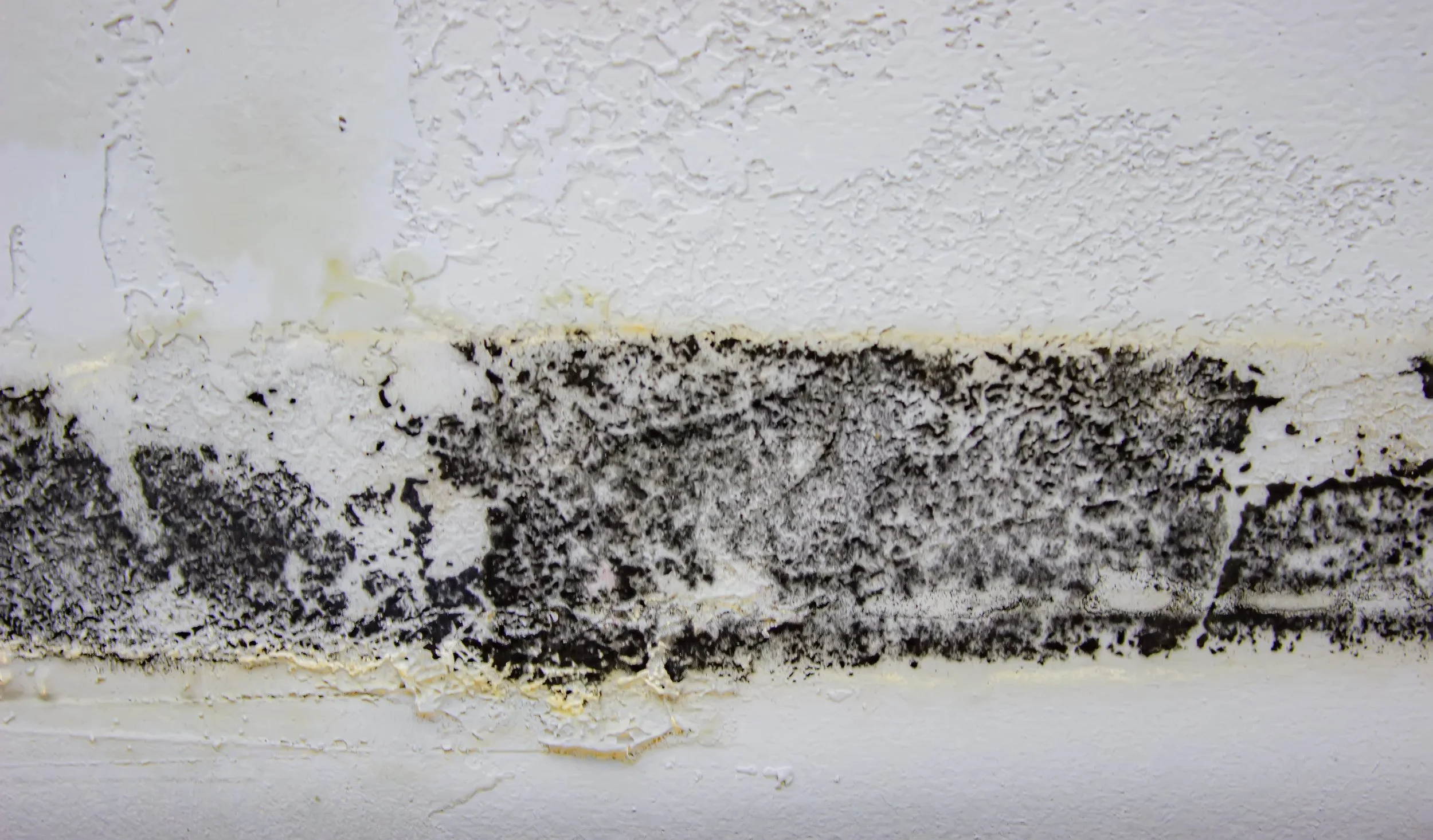
Office mould often goes unnoticed until it becomes widespread
Damp environments allow spores to settle and grow on surfaces
Mould spores are microscopic, making them difficult to control without specialist equipment
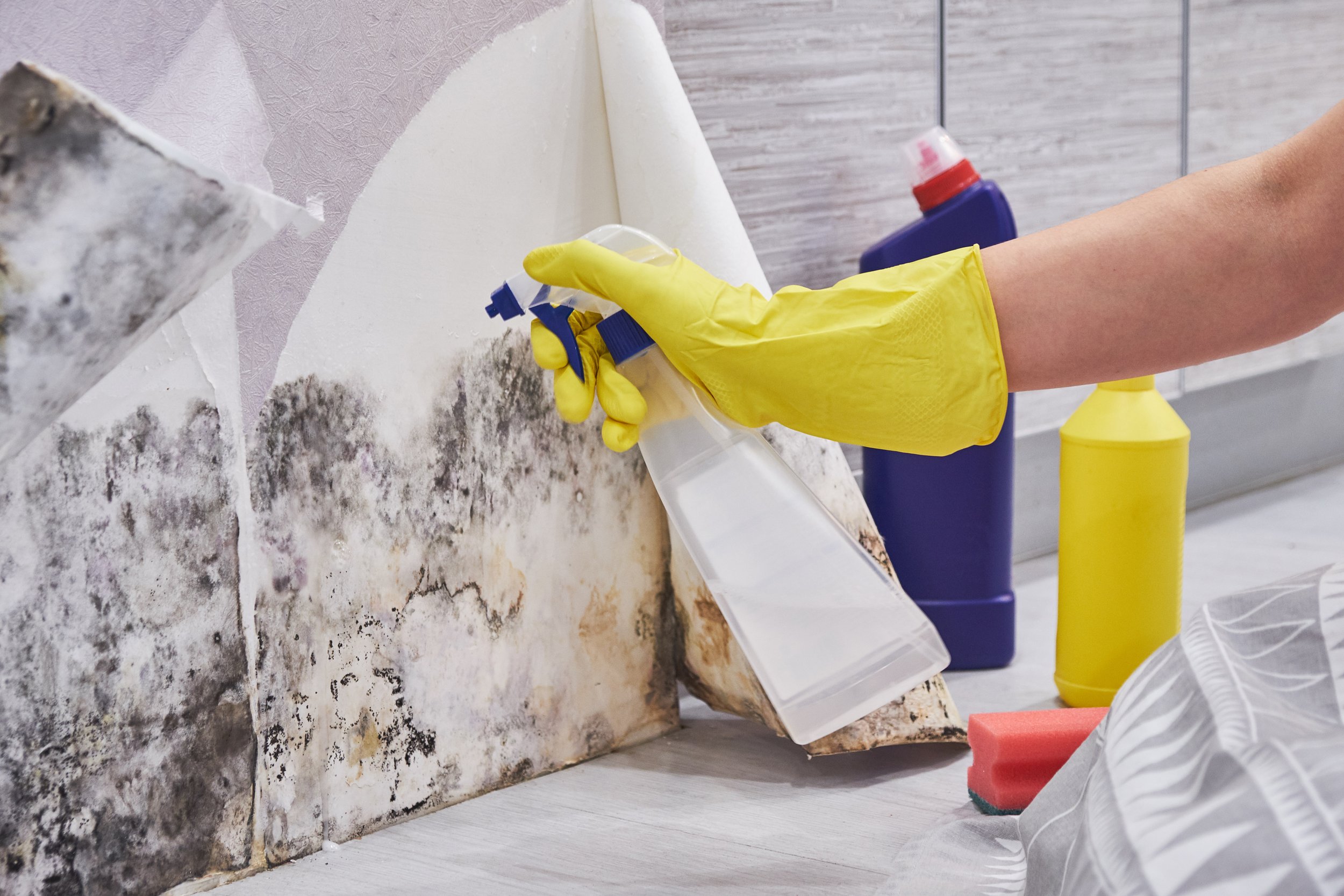
Standard cleaning does not remove airborne spores effectively
Businesses have a duty to provide safe and healthy environments for staff and visitors
Addressing airborne mould is essential not just for health, but for maintaining a professional and compliant workplace.
How Air Purifiers Help Remove Mould Spores
Air purifiers are one of the most effective ways to reduce mould spores in the air when used as part of a wider indoor air quality strategy. They work by continuously filtering airborne particles before they settle and grow.
Advanced HEPA filtration captures microscopic mould spores
Multi-stage filtration removes dust, allergens, and bacteria alongside mould
Continuous air circulation reduces the concentration of spores in enclosed spaces
Helps support mould control alongside ventilation and moisture management
Reduces airborne triggers linked to mould spore allergies
Improves overall air quality and comfort for occupants
While air purifiers do not remove mould from surfaces, they play a key role in controlling airborne spores and preventing further spread.
Find Out More
The Best Way to Kill and Control Mould Spores
The best way to kill mould spores involves a combination of air purification, moisture control, and ongoing monitoring. Simply removing visible mould is not enough, as spores remain in the air and can quickly return.
Air purifiers help capture spores before they settle, while controlling humidity reduces the conditions mould needs to grow. Together, these approaches create a more stable indoor environment, helping businesses prevent recurring mould problems and maintain cleaner, healthier air over time.
-
Air Purification
Captures airborne mould spores before they spread, reducing contamination levels and improving indoor air quality across commercial environments.
-
Moisture Control
Reducing humidity levels limits mould growth, as damp conditions are the main cause of mould developing on walls and surfaces.
-
Ongoing Monitoring
Air quality testing identifies mould risks early, helping businesses take action before issues become visible or impact staff wellbeing.
Professional Air Purifier Solutions for Businesses
We Share Clean Air provides tailored air purification systems designed specifically for commercial environments dealing with mould and air quality issues.
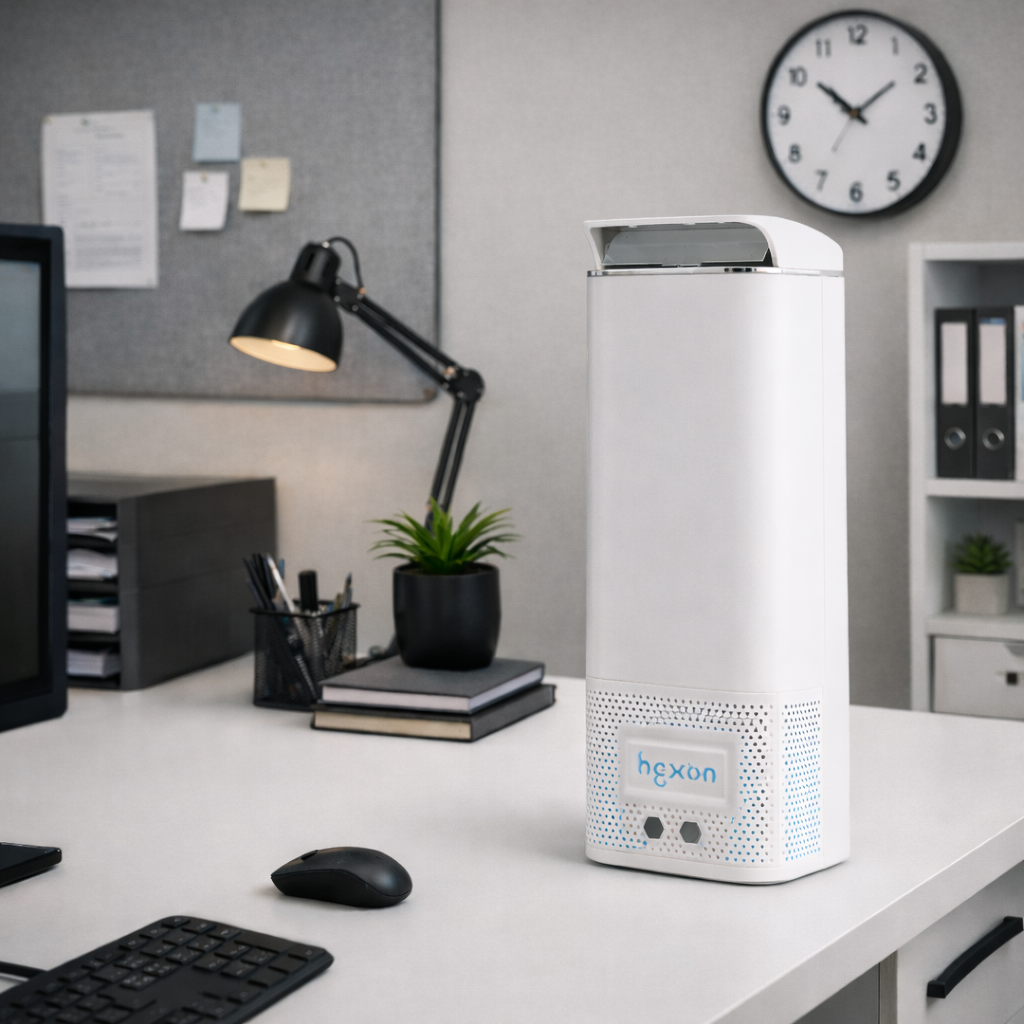
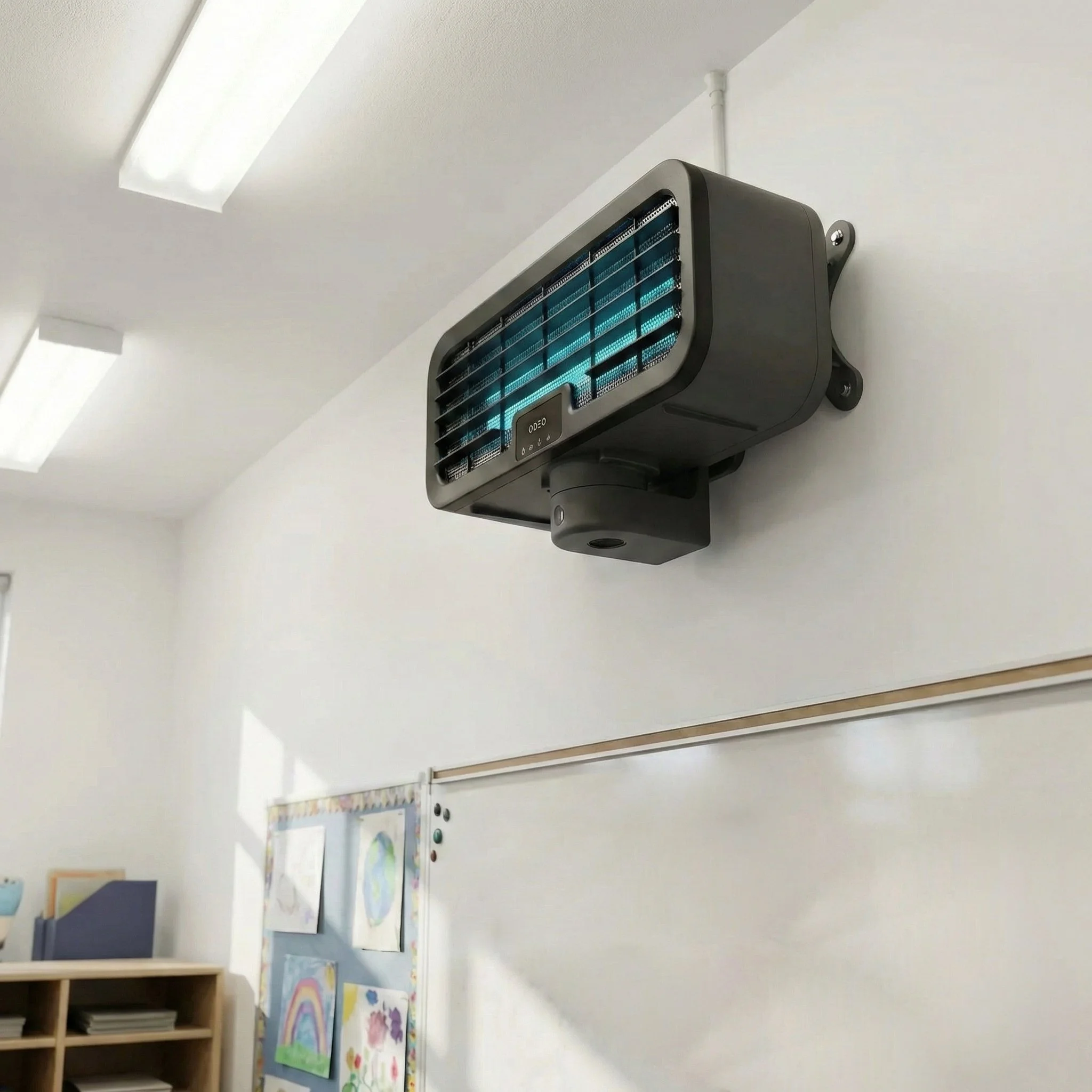
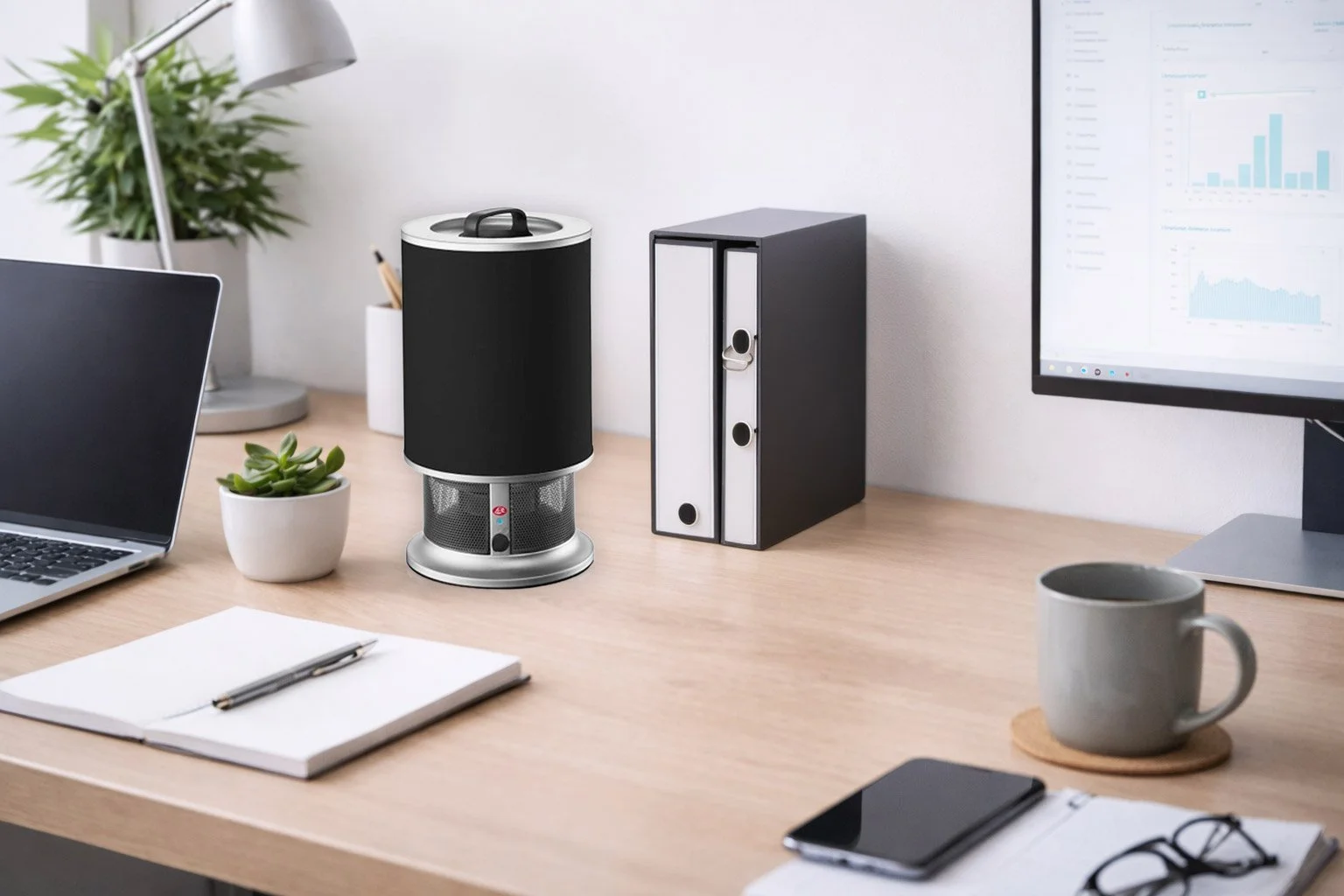
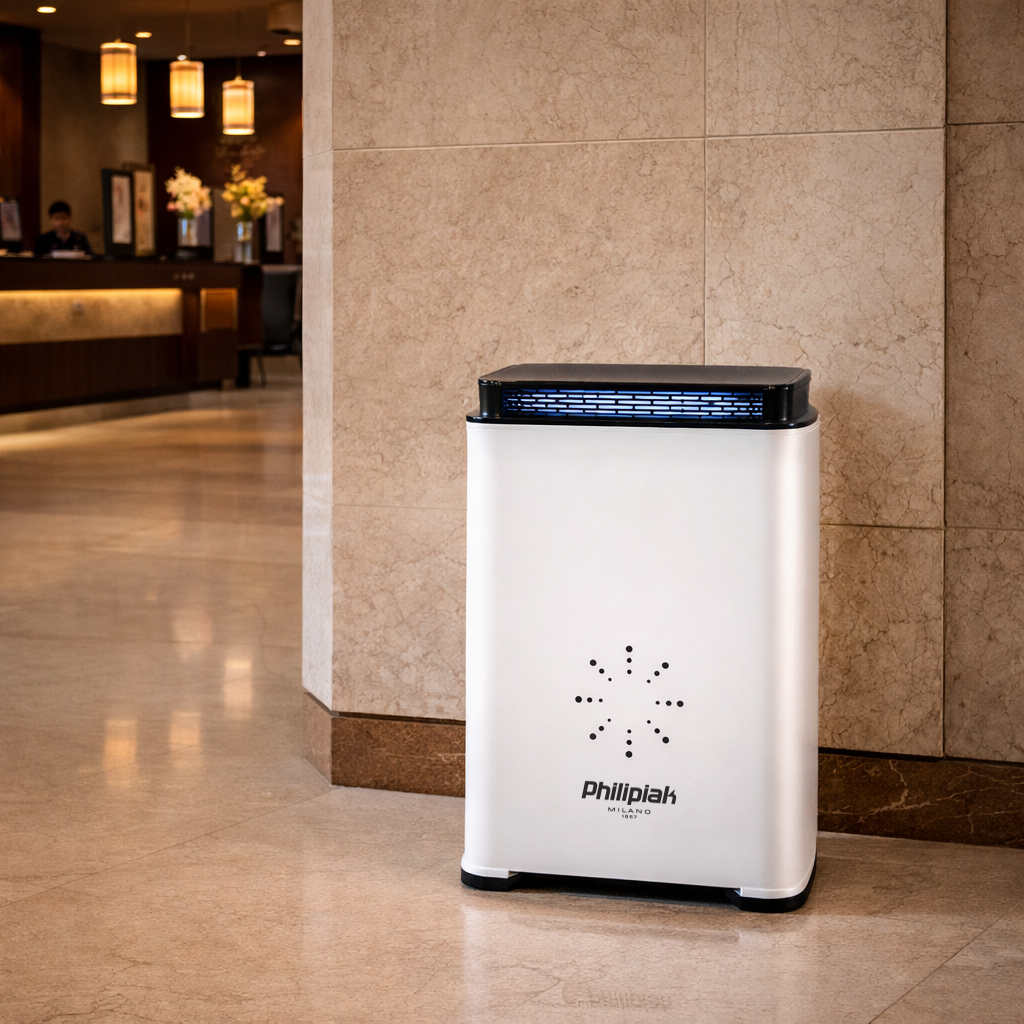
Supply and installation of advanced air purifiers including Odeo1, Aeroguard Mini, Philipiak and Hextio
Air quality testing to measure airborne particles, CO2 levels, and environmental conditions
Expert site assessments to recommend the most effective solution
Ongoing servicing and maintenance to ensure long-term performance
Filter replacements and spare parts to keep systems operating efficiently
Solutions suitable for offices, schools, healthcare settings, and large commercial spaces
Our approach ensures businesses not only address mould spores in the air but also maintain consistently high air quality standards.
Our Products
How Air Purifiers Technically Remove Mould Spores
To effectively reduce mould spores in the air, air purifiers rely on advanced filtration technology designed to capture microscopic particles. Mould spores are typically between 1 and 30 microns in size, meaning they can remain airborne for long periods and spread easily throughout indoor environments.
High-efficiency particulate air (HEPA) filters are designed to capture at least 99.97% of particles as small as 0.3 microns
Mould spores fall well within this capture range, making HEPA filtration highly effective
Multi-stage filtration systems combine pre-filters, HEPA filters, and activated carbon layers
Pre-filters capture larger particles like dust, helping extend the life of main filters
Activated carbon filters help remove odours often associated with damp and mould
Continuous airflow ensures air is regularly cycled and cleaned within the space
Air changes per hour (ACH) determine how frequently the air is filtered, which is critical in commercial environments
This combination of filtration and airflow allows air purifiers to continuously reduce airborne mould spores, supporting cleaner and healthier indoor air.
Find out more
Frequently Asked Questions about Air Purifiers for Mould Spores
Do air purifiers remove mould spores from the air?
Yes, air purifiers with high-efficiency filtration systems are designed to capture mould spores from the air. While they do not remove mould from surfaces, they significantly reduce airborne spores, helping to prevent spread and improve indoor air quality in workplaces and commercial environments.
Are mould spores dangerous in the workplace?
Mould spores can cause a range of health issues, including allergies, respiratory problems, and irritation. In workplaces, prolonged exposure can affect employee wellbeing and productivity, making it important for businesses to manage indoor air quality and reduce airborne contaminants such as mould spores.
What is the best way to kill mould spores?
The most effective way to control mould spores is by combining air purification with moisture control. Air purifiers remove airborne spores, while reducing humidity helps prevent mould from growing. Together, these methods create a more controlled environment that limits mould development and improves air quality.
Can a dehumidifier kill mould spores?
A dehumidifier does not kill mould spores, but it helps reduce moisture levels that allow mould to grow. When used alongside an air purifier, it can be part of an effective strategy to control mould by limiting growth conditions and reducing airborne spore levels.
How do you prevent mould in commercial buildings?
Preventing mould involves managing moisture, improving ventilation, and reducing airborne spores. Air purification systems play a key role by continuously filtering the air, while regular maintenance, monitoring, and humidity control help businesses maintain a clean and healthy indoor environment.
Industries We Support with Mould Air Purification
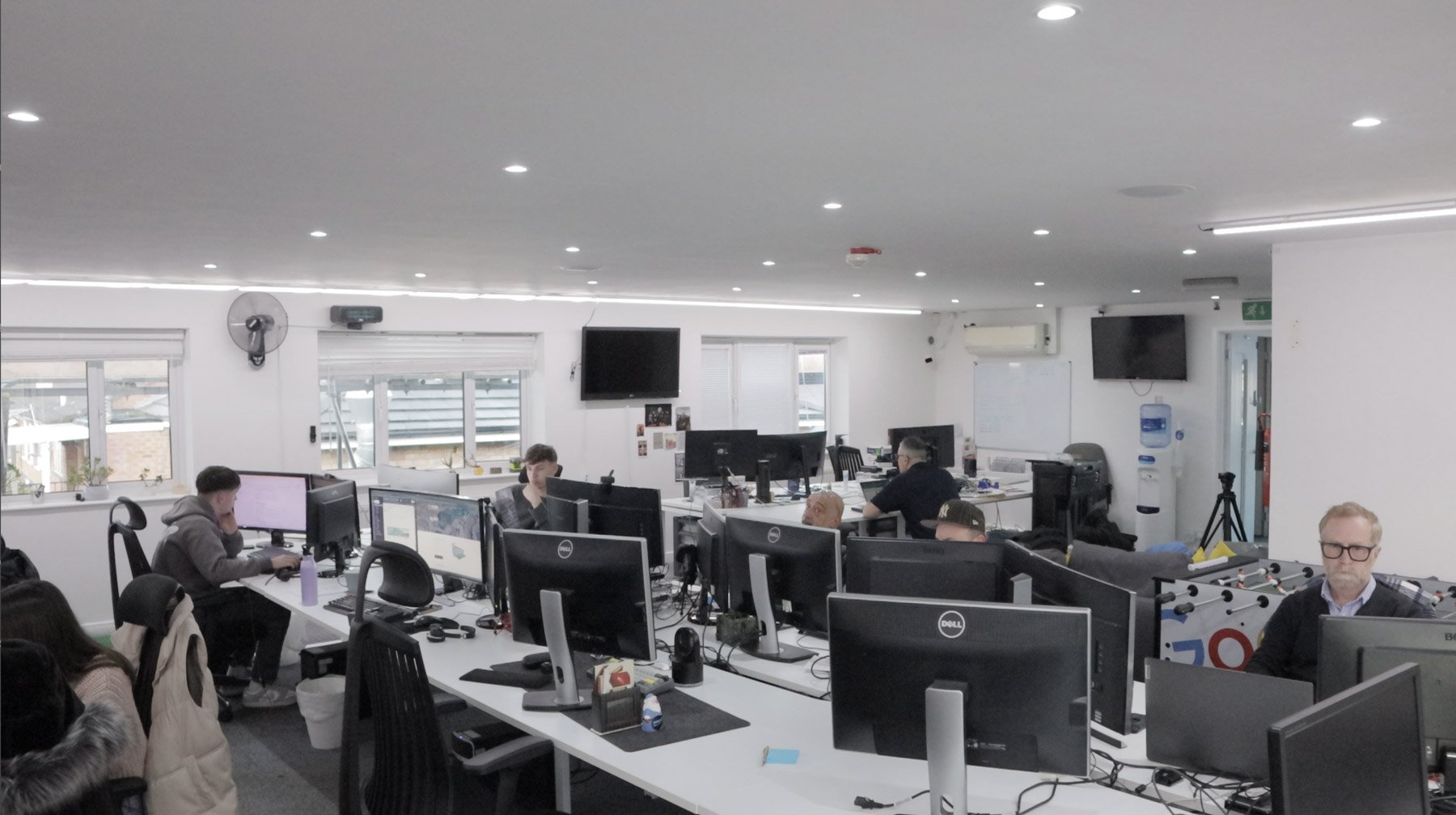
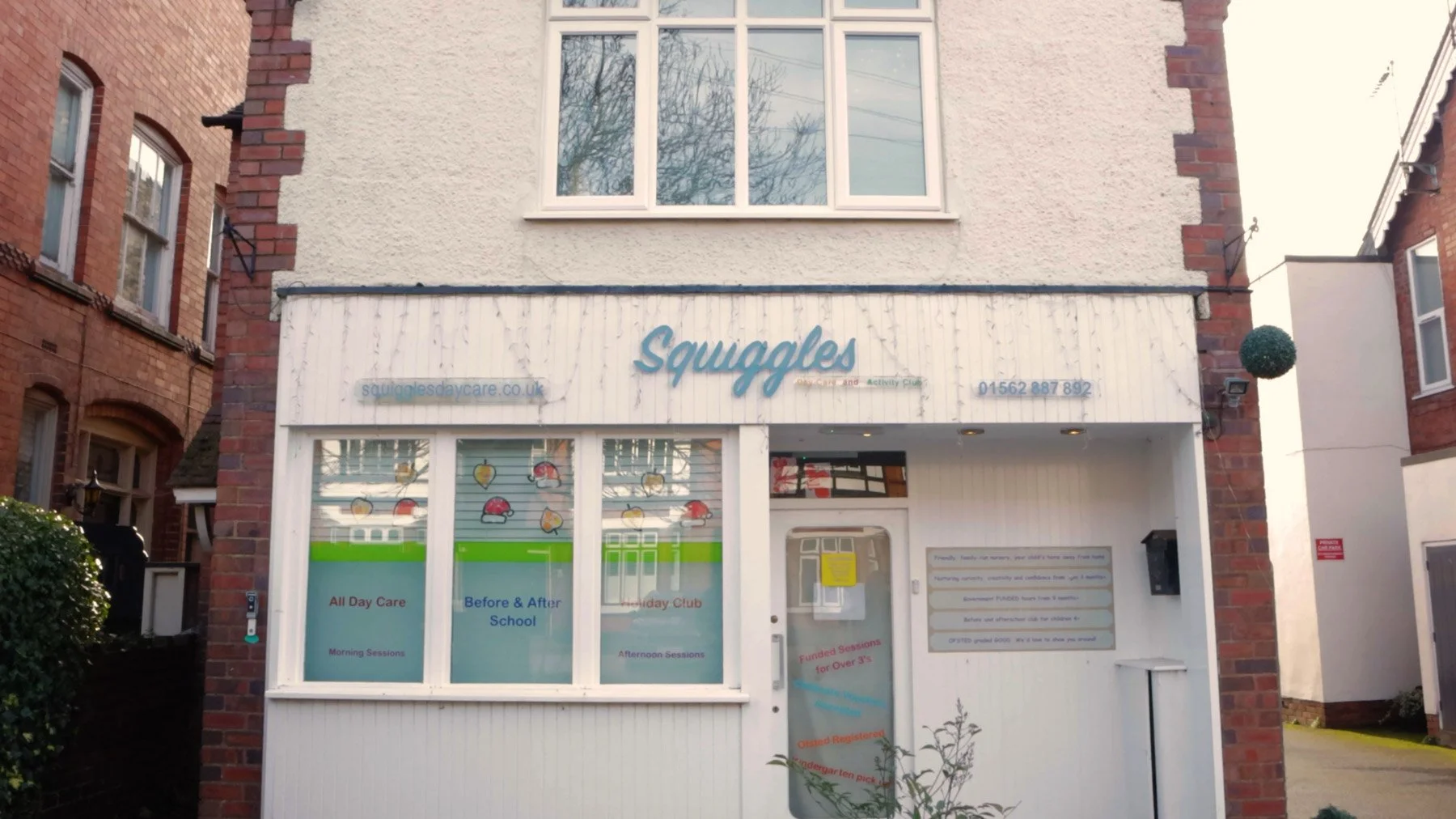
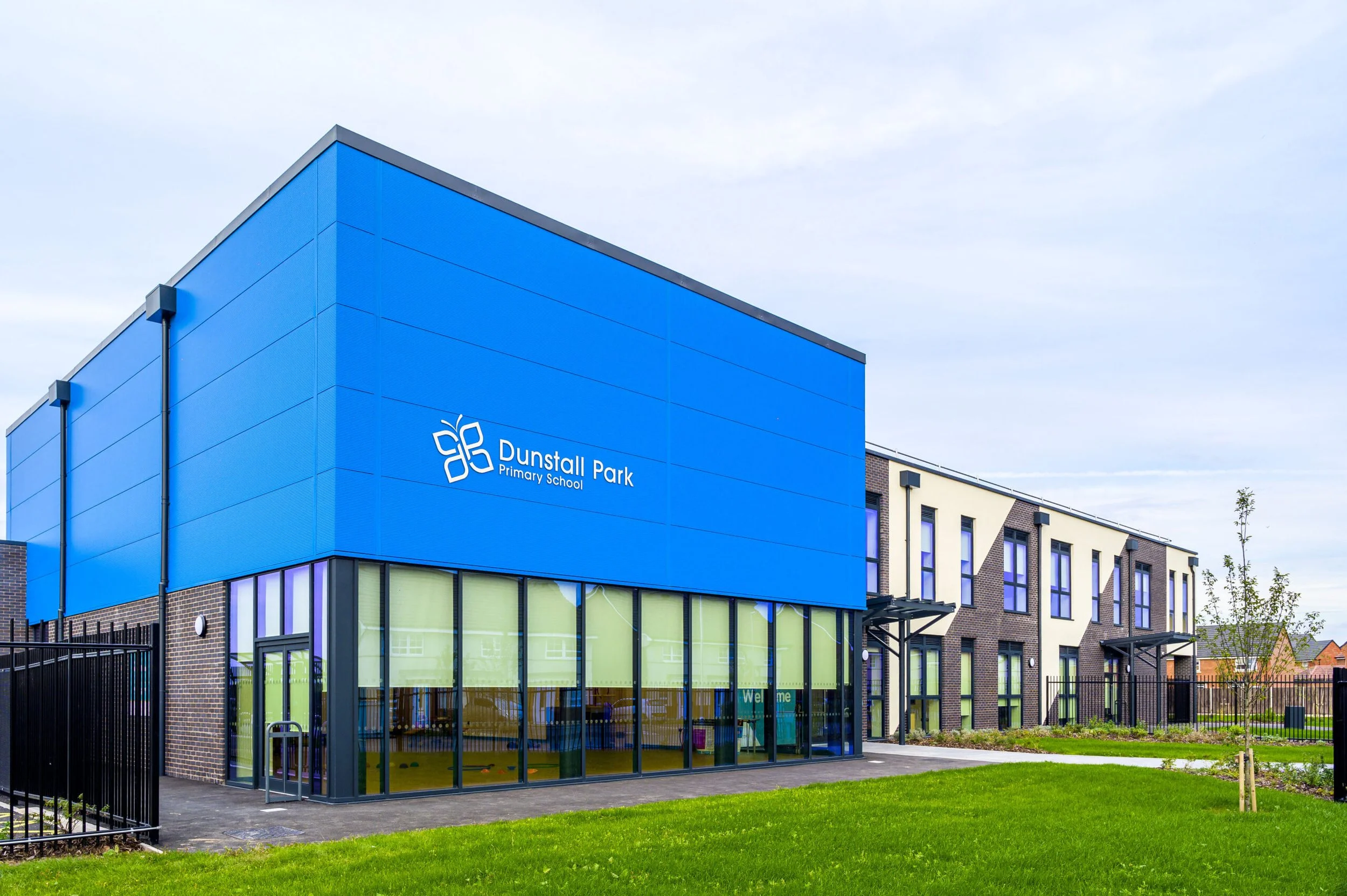
We Share Clean Air provides tailored air purification solutions across a wide range of commercial environments where mould spores and poor air quality can pose a risk. From high-traffic workplaces to sensitive healthcare settings, our systems are designed to improve air quality, support wellbeing, and maintain safe, compliant indoor spaces.

Discover our Products Certification and Testing
Find Out More
Explore the certifications and independent tests that demonstrate our air purifiers’ safety, reliability, and effectiveness. See how they meet international standards for reducing airborne bacteria, viruses, fine dust, and allergens.
Contact
Install HEPA Air Purifiers in
Your Nursery Today
New DfE guidance recommends that nurseries actively monitor indoor air quality. Most settings haven't started yet, and most have never had a professional test.
A free on-site health check takes one visit. We bring professional monitoring equipment, take CO₂ and particulate readings in your main activity rooms, and give you a plain-English summary of exactly what's in your air.
No jargon. No obligation. You keep your data regardless of what you decide.
We also work with care homes, funeral directors, hospitals and other sensitive environments where air quality directly affects the people in your care.
What to do: Complete the form, and we'll be in touch to arrange your Air Quality Test.
Not ready to book yet? Download the free Nursery Air Quality Risk Review first