
Home / A Guide to Commercial Air Purification / Understanding How Air Purifiers Work
Understanding How Air Purifiers Work
Understanding How Air Purifiers Work
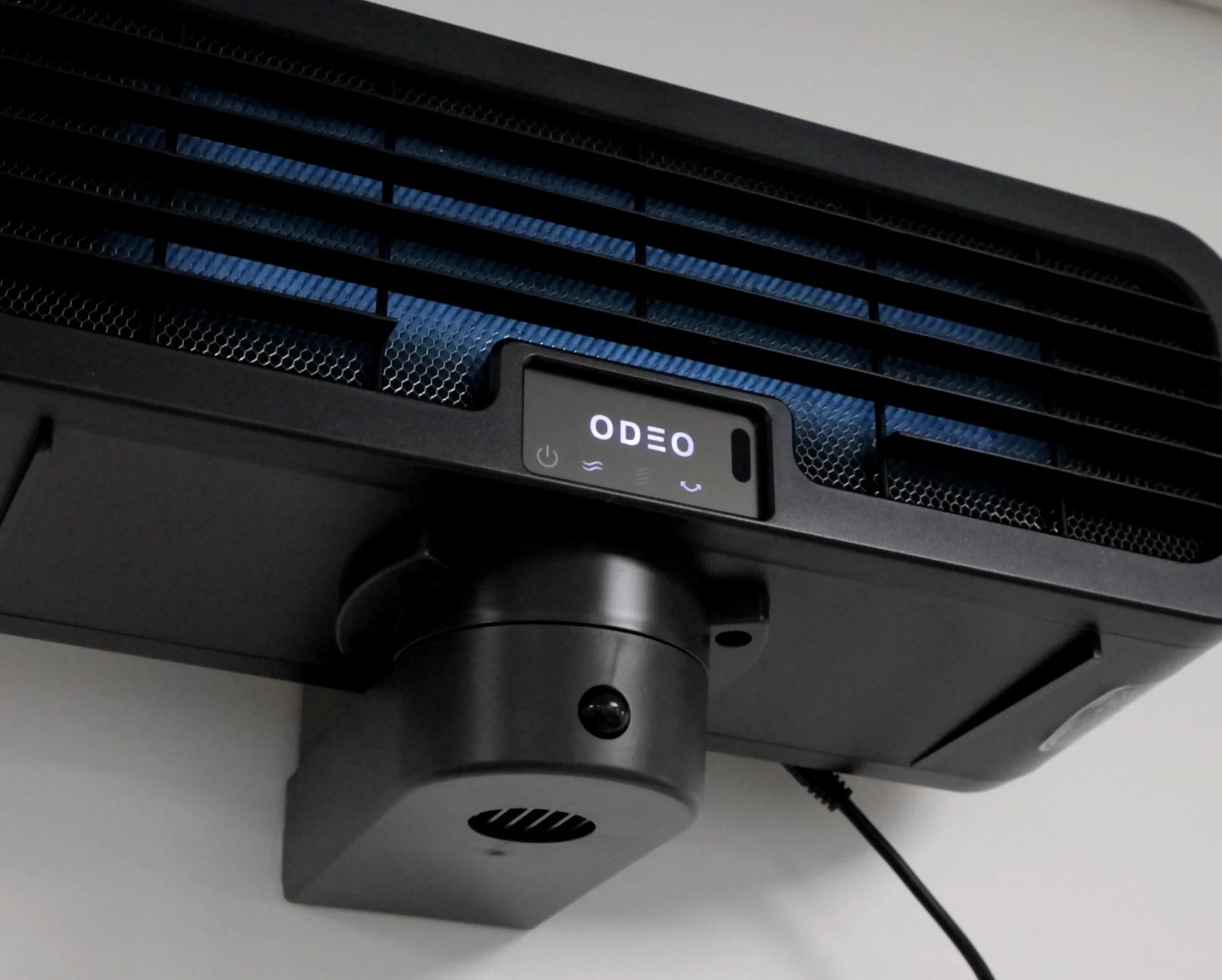
Commercial Air Purifier Technology
Air purifiers might seem complicated, but the basic idea is straightforward: a fan draws air through a filter or treatment system and sends it back into the room. The important part is knowing what each technology actually removes. Here we'll explain HEPA, activated carbon and UV-C, and how things like room size, airflow and placement affect what you experience in practice. If you are choosing an air purifier for a workplace, focus on which pollutants it removes, how much clean air it delivers and how loudly it runs.
Speak to a Clean Air Specialist
How does an air purifier work step by step?
A fan moves room air through a filter or treatment chamber and releases processed air back into the room. Air circulates repeatedly, so results depend on the clean-air delivery rate, operating hours, mixing and the rate at which pollutants enter. Review HEPA air purifiers using certified filtration information as well as published whole-unit airflow performance. Picture a fan drawing dusty room air in, filtering it, then sending cleaner air back out.
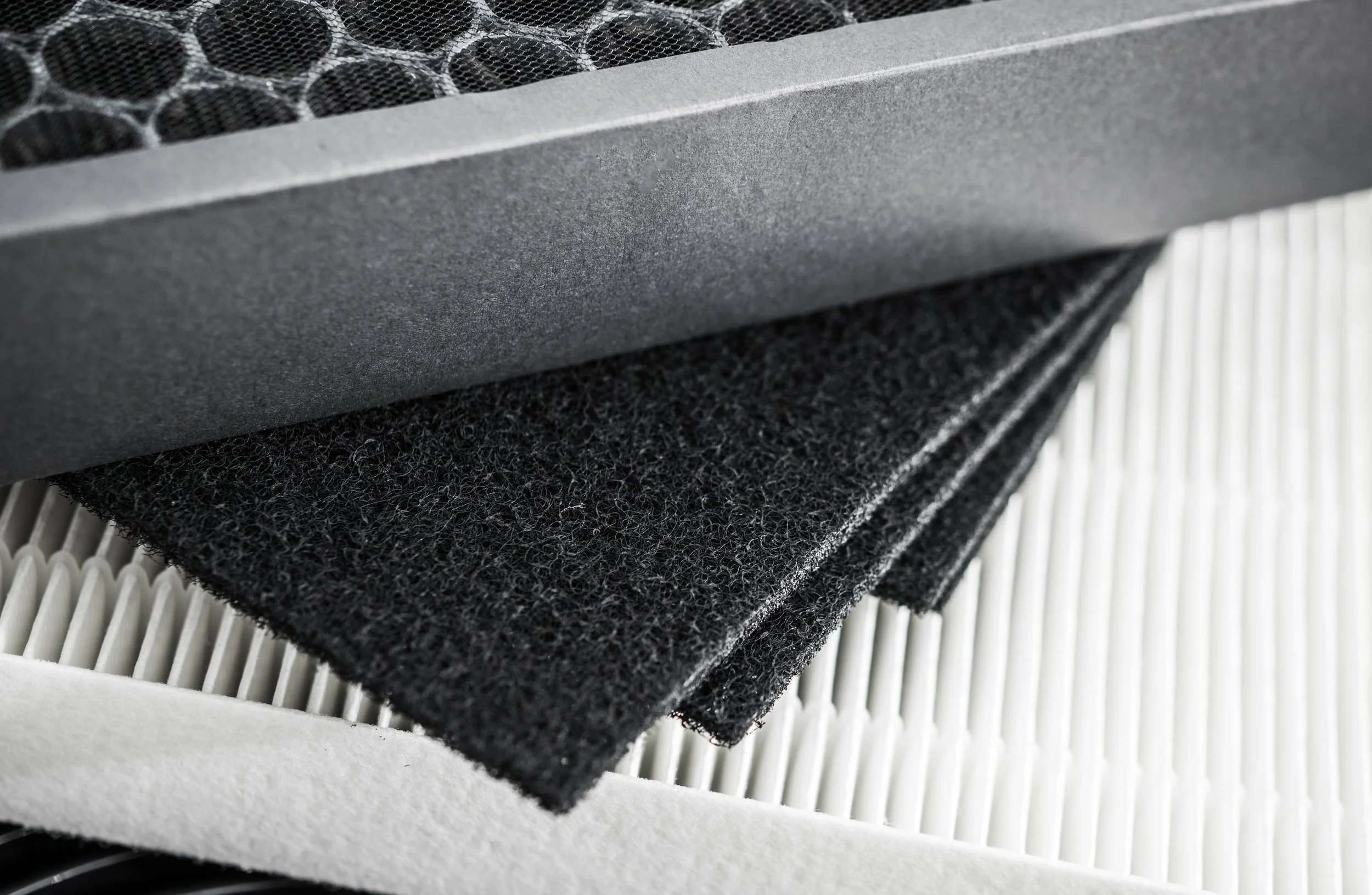
What is a HEPA 13 filter?
Under EN 1822 testing, an H13 filter reaches at least 99.95% efficiency at its most penetrating particle size. This filter-level classification does not automatically describe whole-device performance; leaks, air bypass and actual airflow also matter. Filter seals and routine replacement have a direct bearing on how reliably the system performs. That sounds impressive, but the filter must be properly fitted and move enough air to help.
How does activated carbon work?
Activated carbon has a porous surface that adsorbs some volatile gases and odour molecules. It complements particle filtration but is not equally effective against all chemicals. The mass of carbon, airflow, pollutant and saturation determine practical capacity. The Aeroguard 360 illustrates a multi-stage purification option, although suitability still depends on specifications. If a room has persistent smells, the amount of carbon can matter more than the label.
Speak to a Clean Air Specialist
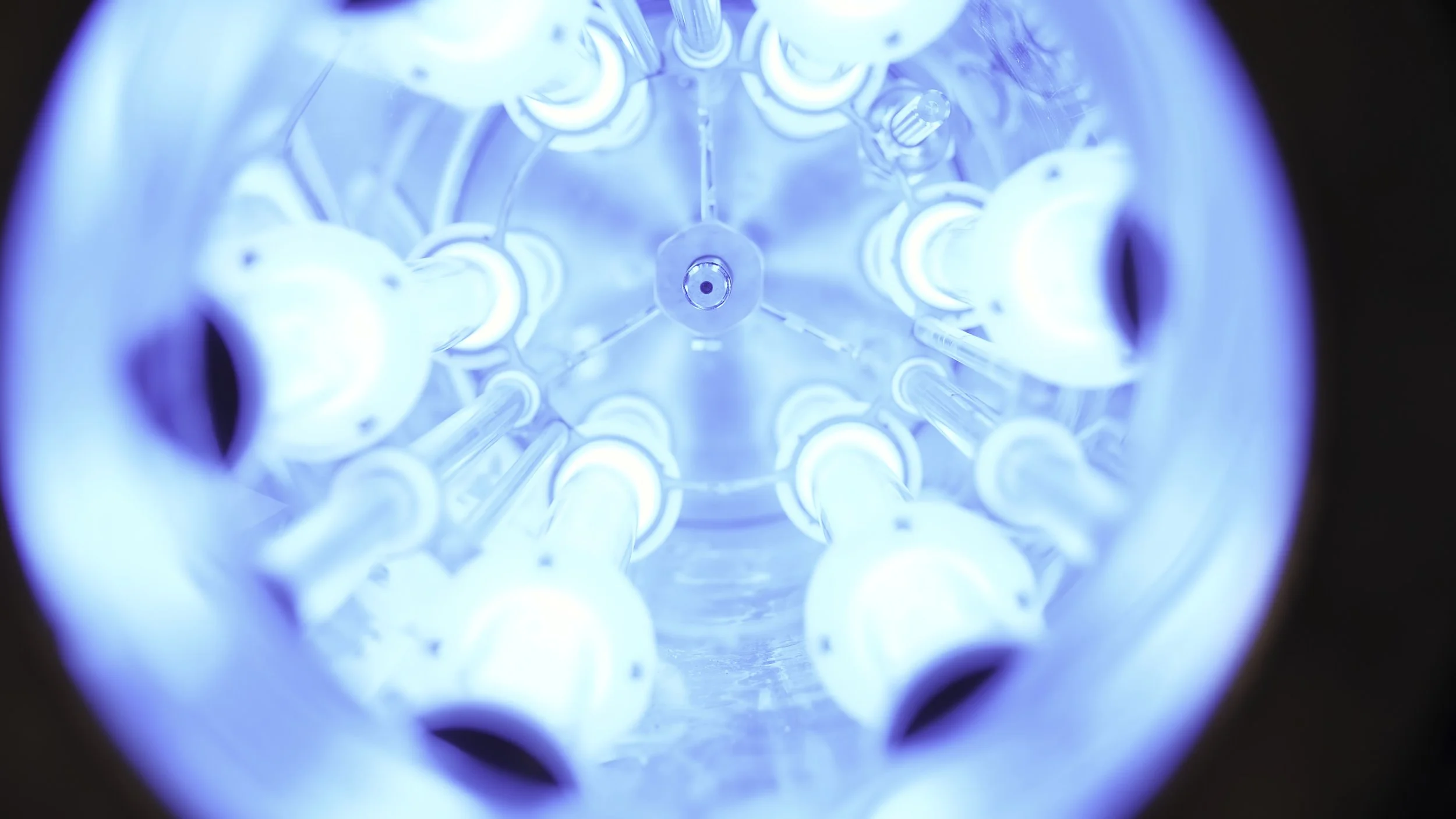
What does UV-C treatment do?
UV-C can inactivate microorganisms when the delivered ultraviolet dose is sufficient. Results depend on intensity, exposure time, airflow and chamber design. UV-C does not replace particle filtration, and treatment units must prevent unsafe exposure to ultraviolet radiation. Activated carbon filters need adequate media capacity to cope with continuing pollutant emissions. In simple terms, the light needs enough time and intensity to do its job safely.
Is more filtration always better?
Not necessarily. Multiple stages can address different contaminants, but more stages do not automatically mean better performance. Compare independently supported test information, filter efficiency, airflow, clean-air delivery, operating noise and ongoing costs. Different treatment mechanisms should be considered separately rather than assuming they achieve identical outcomes. A long list of technologies means little if the unit is too small for the room.
What is CADR (Clean Air Delivery Rate)?
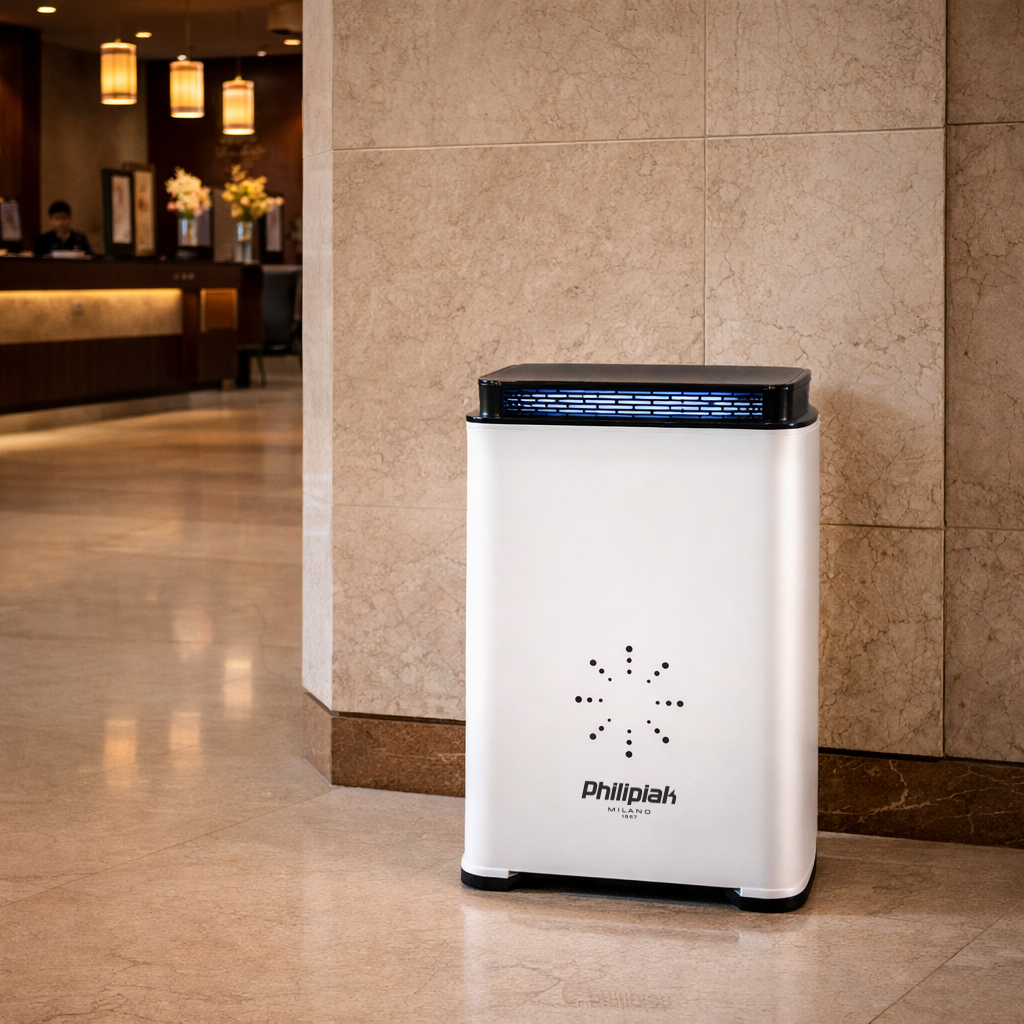
CADR measures the volume of clean air a device delivers for a specified particle challenge, usually expressed in cubic metres per hour. It reflects both airflow and particle removal. Check the test conditions and fan speed when comparing figures. A Philipiak system offers another multi-stage option for comparing capabilities across different room conditions. For you, CADR helps compare how quickly different units can clean a given space.
Speak to a Clean Air Specialist
What size air purifier do I need for my room?
Calculate room volume by multiplying floor area by ceiling height. Divide hourly CADR by volume to estimate equivalent particle-cleaning air changes per hour. This screening calculation should be considered alongside ventilation, occupancy, room layout and pollutant sources. Quoted performance figures should state the operating speed, test method and pollutant tested. An open-plan office and a small treatment room will not need the same capacity.
Where should a purifier be positioned?
Keep air inlets and outlets clear and follow manufacturer's placement instructions. Furniture, curtains and partitions can interrupt circulation. Several well-positioned units may work better across a large or irregular room than one small device. Placing equipment away from obstructions also helps preserve its intended circulation and usable airflow. A machine hidden behind a sofa cannot clean air as effectively as one with clear airflow.
Can a purifier replace opening windows or mechanical ventilation?
No. Standard recirculating units do not supply fresh outdoor air or remove occupant-generated CO2. They complement ventilation by cleaning selected particles and, with suitable gas filters, certain odours or chemical vapours. Consult UV-C air purifier guidance for the additional safety considerations of ultraviolet treatment equipment. If staff feel stuffy because there is too little fresh air, filtration alone will not help.
Contact Us
Which technologies does We Share Clean Air offer?
Examples include Aeroguard 360 and Philipiak, with multi-stage air treatment options to compare across different room requirements. HEPA, activated carbon and UV-C are among the technologies described. Confirm each model's specific stages, performance and installation needs before selection. Individual product documents remain the appropriate source for model-specific technical and servicing details. Compare the room's needs with the actual specifications, rather than selecting by appearance.
-
Delivery Across The UK
We Share Clean Air supplies and installs professional HEPA air purification systems for businesses, schools, healthcare settings, care homes, and commercial environments across the UK with tailored support and reliable nationwide delivery.
-
Ongoing Maintenance Options
Our ongoing maintenance and servicing options help keep HEPA air purifiers operating efficiently, supporting long-term filtration performance, improved indoor air quality, and reduced disruption within commercial environments.
-
Customer Service
Our experienced clean air specialists provide tailored guidance, product recommendations, and ongoing support to help businesses choose the right HEPA air filtration solution for their environment, occupancy levels, and indoor air quality requirements.
Our Air Purification Technology
Our advanced air purification systems combine HEPA filtration, activated carbon filtration, and UV-C air treatment to help improve indoor air quality across commercial environments. Together, these technologies help reduce airborne particles, odours, pollutants, and contaminants while supporting cleaner, fresher, and healthier indoor spaces for staff, visitors, customers, and occupants.
-
1. HEPA 13 Filter
HEPA filtration captures microscopic airborne particles such as dust, pollen, allergens, mould spores, and fine particulate matter. Designed for high-efficiency air purification, HEPA filters help improve indoor air quality and support cleaner, healthier commercial environments.
Learn More -
2. Activated Carbon Filter
The activated carbon layer absorbs odours, chemical fumes and volatile organic compounds (VOCs) released from cleaning products, paints, furniture and cooking. This stage helps keep indoor air fresh and free from irritants that can affect respiratory comfort.
Learn More -
3. UVC
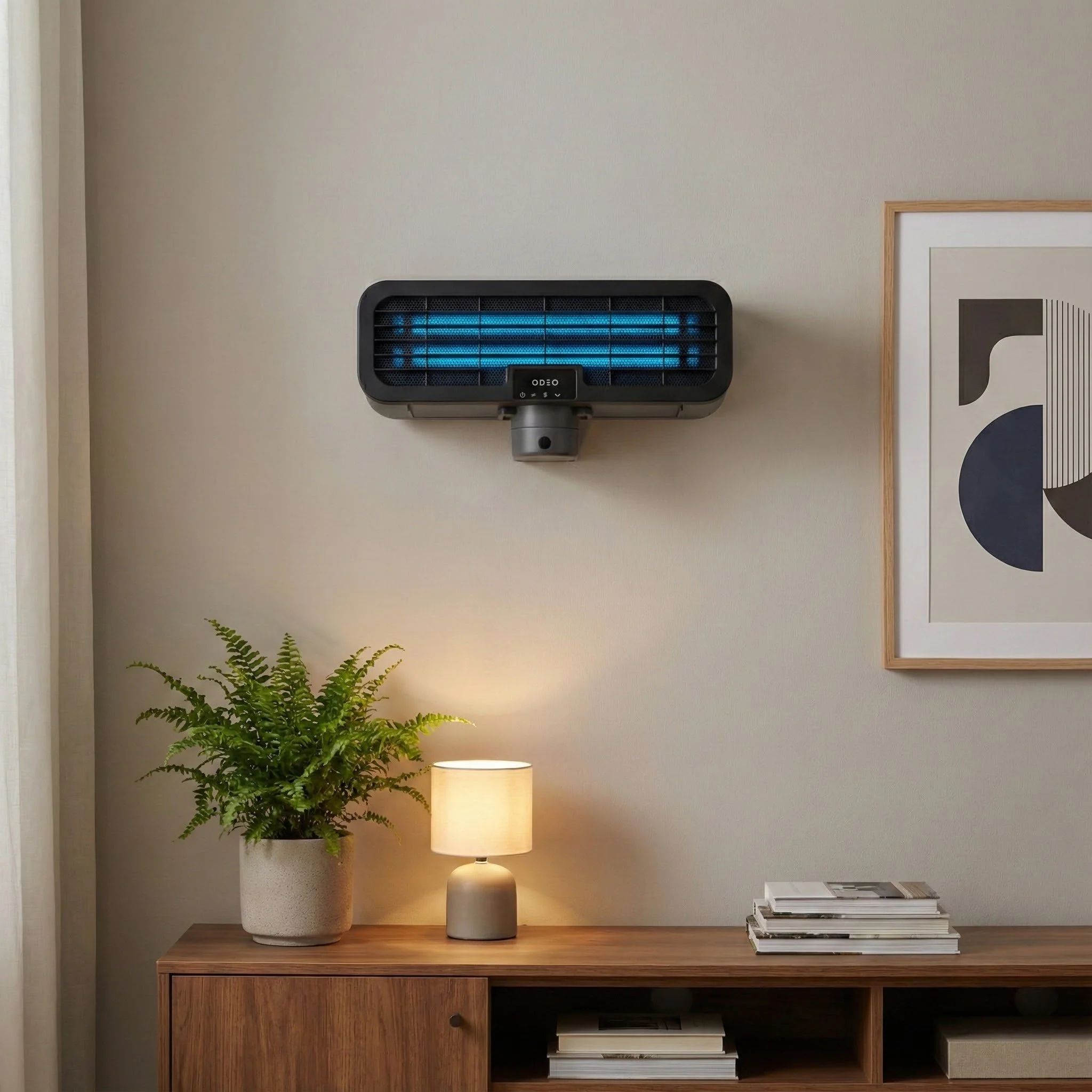
The UV-C treatment chamber uses short-wavelength ultraviolet light technology within the airflow system as part of the wider air purification process. Combined with HEPA and carbon filtration, this stage supports cleaner indoor air and helps maintain fresher commercial environments throughout the day.
Learn More
Discover our Products Certification and Testing
Find Out More
Explore the certifications and independent tests that demonstrate our air purifiers’ safety, reliability, and effectiveness. See how they meet international standards for reducing airborne bacteria, viruses, fine dust, and allergens.
Contact
Install HEPA Air Purifiers in
Your Nursery Today
New DfE guidance recommends that nurseries actively monitor indoor air quality. Most settings haven't started yet, and most have never had a professional test.
A free on-site health check takes one visit. We bring professional monitoring equipment, take CO₂ and particulate readings in your main activity rooms, and give you a plain-English summary of exactly what's in your air.
No jargon. No obligation. You keep your data regardless of what you decide.
We also work with care homes, funeral directors, hospitals and other sensitive environments where air quality directly affects the people in your care.
What to do: Complete the form, and we'll be in touch to arrange your Air Quality Test.
Not ready to book yet? Download the free Nursery Air Quality Risk Review first