
Home / A Guide to Commercial Air Purification / Air Purifier Maintenance and Care
Air Purifier Maintenance and Care
Air Purifier Maintenance and Care

An air purifier needs a little attention to keep doing its job properly. Filters collect dust, vents can get blocked and some components need scheduled replacement. None of that has to be complicated, but ignoring maintenance can reduce performance. Here are the checks and servicing questions that matter in everyday use. Knowing how to maintain an air purifier helps you keep it working as intended and avoid unexpected replacement costs or performance problems.
Speak to a Clean Air Specialist
Why is routine maintenance necessary?
Loaded filters, obstructed vents and worn parts can reduce delivered airflow or treatment capability. Recording checks and replacement dates helps ensure reliable operation, especially in busy workplaces. Maintenance and servicing guidance is useful when allocating responsibility across several locations. For your team, that means less uncertainty about whether the equipment is still doing its job.
How often should you change an air purifier filter?
Follow the model manufacturer's schedule, adjusting for usage and pollution levels where instructed. There is no single interval suitable for all HEPA or carbon filters, and an indicator may estimate rather than directly measure filter exhaustion. Check model instructions before cleaning because some components must remain completely dry. A busy dusty room may need attention sooner than a lightly used private office.
Can you wash or reuse a HEPA filter?
Most conventional HEPA filters should not be washed unless expressly designed for it. Washing can damage fibres, seals or performance. Follow the manual and replace non-washable media when due. Hextio is one model whose specified replacement schedule should be checked before servicing. Do not risk damaging an expensive filter just to save the cost of a replacement.
Speak to a Clean Air Specialist


How should pre-filters be cleaned?
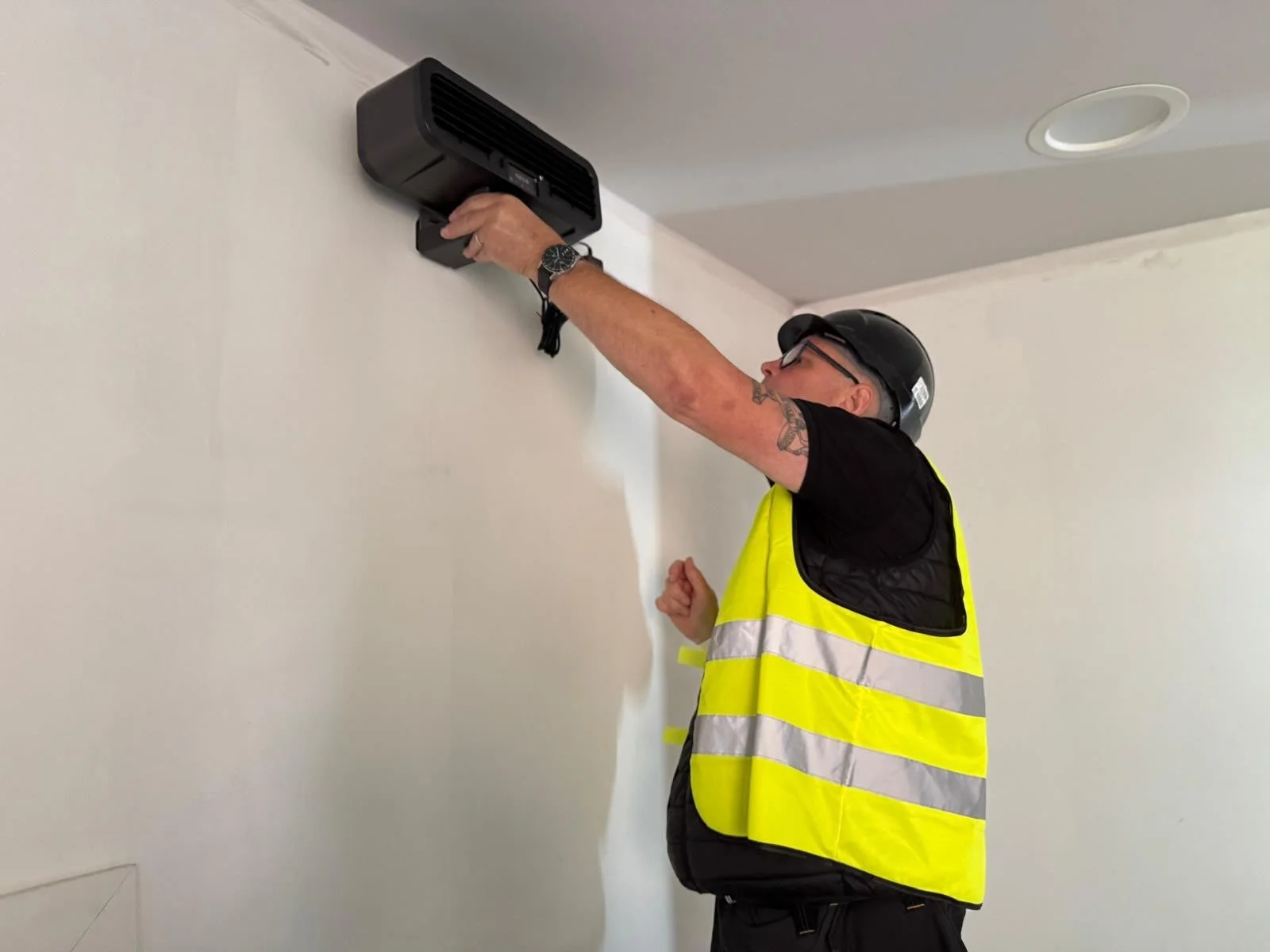
Switch off and disconnect the unit where directed, remove the pre-filter and follow the approved vacuuming, wiping or washing procedure. Ensure washable components dry fully before refitting. Some pre-filters are replaceable rather than washable. Incorrect replacement filters may compromise fit or performance even when they look similar. Simple checks can keep airflow clear and stop avoidable performance problems.
How can you tell if activated carbon is spent?
An odour returning may indicate reduced capacity, but the absence of a smell does not establish continued chemical removal. Gas adsorption varies by contaminant, so manufacturer intervals or specialist performance checks are more reliable. Keep replacement components accessible so routine servicing does not lead to extended downtime. For odour problems, a carbon filter that looks clean may still be past its best.
Does UV-C equipment need specialist attention?
Where a system uses UV-C, lamp output and treatment components may require scheduled inspection or replacement. Keep safety enclosures and interlocks intact. Never operate exposed UV-C sources or bypass safety features. An Aeroguard 360 should likewise be maintained according to its own filter and component guidance. This is one task where following the manufacturer's safety instructions really matters.
Speak to a Clean Air Specialist
Why must air vents stay clear?
Blocked inlets or outlets can reduce the flow of air through the device and may increase noise or strain. Keep appropriate clearance from furniture and fabrics, and investigate abnormal sounds. Note unusual vibration or airflow changes promptly, since these can indicate developing faults. A blocked machine might still sound as though it is working while cleaning less air.
Should you leave an air purifier running all day?
Operating schedules depend on occupancy, contamination sources, energy use and manufacturer recommendations. A unit only processes room air when operating. Continuous use may be appropriate in some environments but is not mandatory for every location. Operating hours may differ significantly between meeting rooms, bedrooms and continuously occupied areas. For busy communal areas, align the schedule with the hours people actually use them.
Can staff replace filters themselves?
Many portable units offer user-serviceable filters, whereas installed or UV-C systems may require trained technicians. Follow safe electrical procedures and minimise disturbance of collected dust when removing used media. Staff should record each completed task rather than assuming a filter indicator proves servicing. Clear instructions also stop well-meaning staff from accidentally damaging specialist components.
Contact Us
What should a maintenance log include?
Record unit model, location, inspection dates, filter replacements, faults, repairs, operating hours if available and responsible personnel. Clear documentation supports consistent servicing and replacement budgeting. Consider keeping filter purchase records together with maintenance logs for future budget reviews. A short written record makes servicing easier when different people manage the building.
-
Delivery Across The UK
We Share Clean Air supplies and installs professional HEPA air purification systems for businesses, schools, healthcare settings, care homes, and commercial environments across the UK with tailored support and reliable nationwide delivery.
-
Ongoing Maintenance Options
Our ongoing maintenance and servicing options help keep HEPA air purifiers operating efficiently, supporting long-term filtration performance, improved indoor air quality, and reduced disruption within commercial environments.
-
Customer Service
Our experienced clean air specialists provide tailored guidance, product recommendations, and ongoing support to help businesses choose the right HEPA air filtration solution for their environment, occupancy levels, and indoor air quality requirements.
Our Air Purification Technology
Our advanced air purification systems combine HEPA filtration, activated carbon filtration, and UV-C air treatment to help improve indoor air quality across commercial environments. Together, these technologies help reduce airborne particles, odours, pollutants, and contaminants while supporting cleaner, fresher, and healthier indoor spaces for staff, visitors, customers, and occupants.
-
1. HEPA 13 Filter
HEPA filtration captures microscopic airborne particles such as dust, pollen, allergens, mould spores, and fine particulate matter. Designed for high-efficiency air purification, HEPA filters help improve indoor air quality and support cleaner, healthier commercial environments.
Learn More -
2. Activated Carbon Filter
The activated carbon layer absorbs odours, chemical fumes and volatile organic compounds (VOCs) released from cleaning products, paints, furniture and cooking. This stage helps keep indoor air fresh and free from irritants that can affect respiratory comfort.
Learn More -
3. UVC
The UV-C treatment chamber uses short-wavelength ultraviolet light technology within the airflow system as part of the wider air purification process. Combined with HEPA and carbon filtration, this stage supports cleaner indoor air and helps maintain fresher commercial environments throughout the day.
Learn More
Discover our Products Certification and Testing
Find Out More
Explore the certifications and independent tests that demonstrate our air purifiers’ safety, reliability, and effectiveness. See how they meet international standards for reducing airborne bacteria, viruses, fine dust, and allergens.
Contact
Install HEPA Air Purifiers in
Your Nursery Today
New DfE guidance recommends that nurseries actively monitor indoor air quality. Most settings haven't started yet, and most have never had a professional test.
A free on-site health check takes one visit. We bring professional monitoring equipment, take CO₂ and particulate readings in your main activity rooms, and give you a plain-English summary of exactly what's in your air.
No jargon. No obligation. You keep your data regardless of what you decide.
We also work with care homes, funeral directors, hospitals and other sensitive environments where air quality directly affects the people in your care.
What to do: Complete the form, and we'll be in touch to arrange your Air Quality Test.
Not ready to book yet? Download the free Nursery Air Quality Risk Review first