
Home / For Business / Schools
Schools
Clean Air Solutions for Schools – Classroom Air Filters & Purifiers
Healthier classrooms and better learning environments
Indoor air quality has a direct impact on concentration, comfort and attendance in educational environments. In busy classrooms with high occupancy and limited ventilation, airborne particles can accumulate quickly.
We provide professional air filtration systems for schools across the UK, helping create cleaner, healthier classrooms for pupils and staff. Where required, systems can integrate HEPA-grade filtration with enclosed UVC pathogen control to support enhanced biological management in shared learning spaces.
Speak to a Clean Air Specialist
Explore Our Products
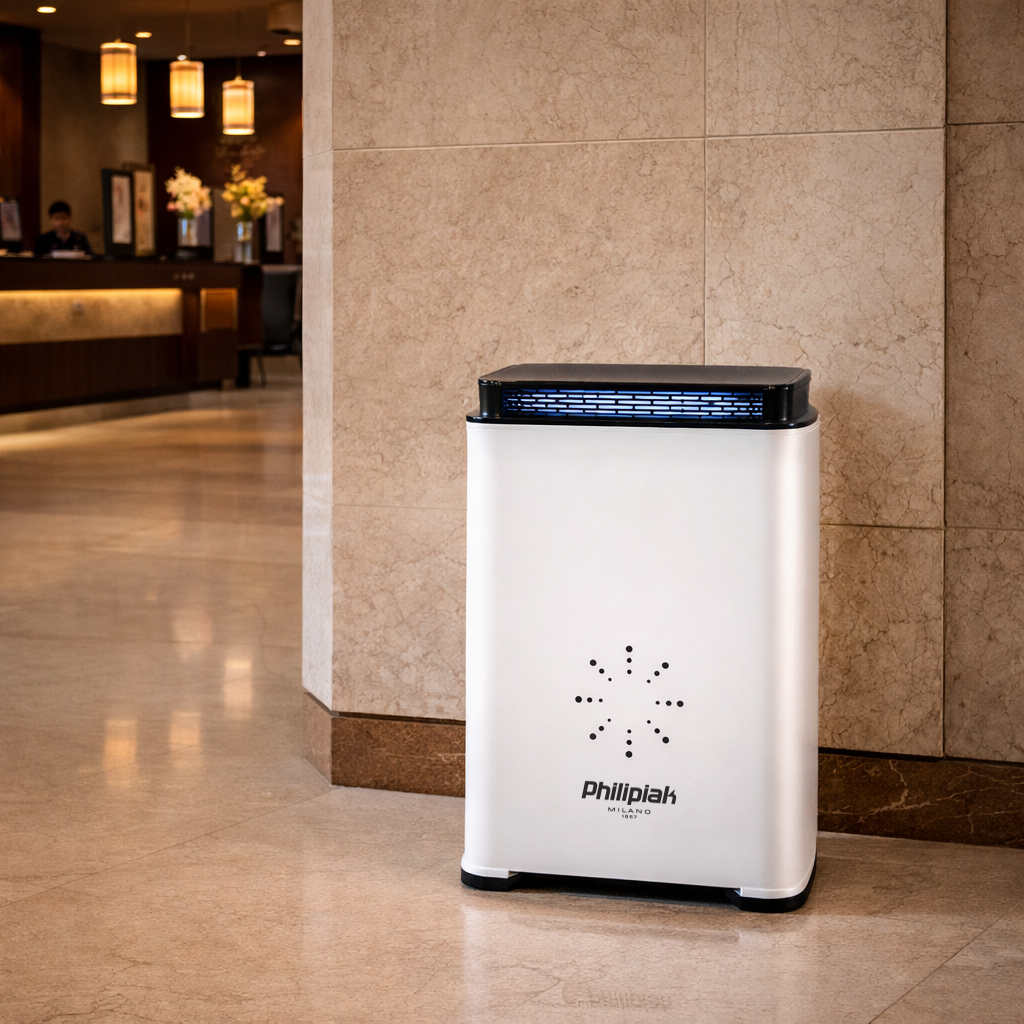
Why Clean Air Matters in Schools
Schools face specific indoor air quality challenges due to shared spaces, high pupil density and constant movement between classrooms.
Common air quality risks in schools include:
Dust and fine particulate matter
Pollen and seasonal allergens
Carbon dioxide build-up in enclosed classrooms
Airborne viruses in shared learning spaces
Volatile organic compounds from furnishings and cleaning products
Limited ventilation during colder months
HEPA air filters for classrooms remove 99.97 percent of airborne particles down to 0.3 microns, including respiratory droplets that may carry viruses. When combined with integrated UVC technology, captured bacteria and viruses are exposed to controlled ultraviolet energy within the filtration chamber, helping reduce microbial viability as part of a layered infection control strategy.
When correctly specified for air changes per hour, classroom air filtration systems significantly improve indoor air quality while supporting enhanced pathogen management. Clean air schools benefit from improved comfort, clearer air and healthier shared spaces.
Find out More
What Our Systems Protect Against
Our multi-stage air filtration systems are designed to address the airborne contaminants commonly found in schools and classroom environments.
Airborne Viruses and Respiratory Illness
HEPA 13 filtration captures 99.97 percent of airborne particles down to 0.3 microns, including respiratory droplets that may carry viruses. Integrated UVC treatment within the system helps neutralise retained pathogens, supporting schools in strengthening infection control measures within enclosed classrooms.
Allergens and Asthma Triggers
Removes pollen, dust mites, mold spores and other airborne allergens that can affect pupils and staff, particularly those with asthma or seasonal sensitivities.
Fine Particulate Matter
Captures microscopic airborne particles generated by movement, outdoor pollution and classroom activity, helping reduce airway irritation and improve overall indoor air quality.
VOCs and Chemical Emissions
Activated carbon filtration absorbs volatile organic compounds released from cleaning products, paints, furnishings and flooring materials, improving air freshness and reducing exposure to chemical odours.
Odours and Stale Air
Reduces lingering smells and improves perceived air freshness in classrooms, corridors and shared learning spaces by continuously filtering recirculated air.
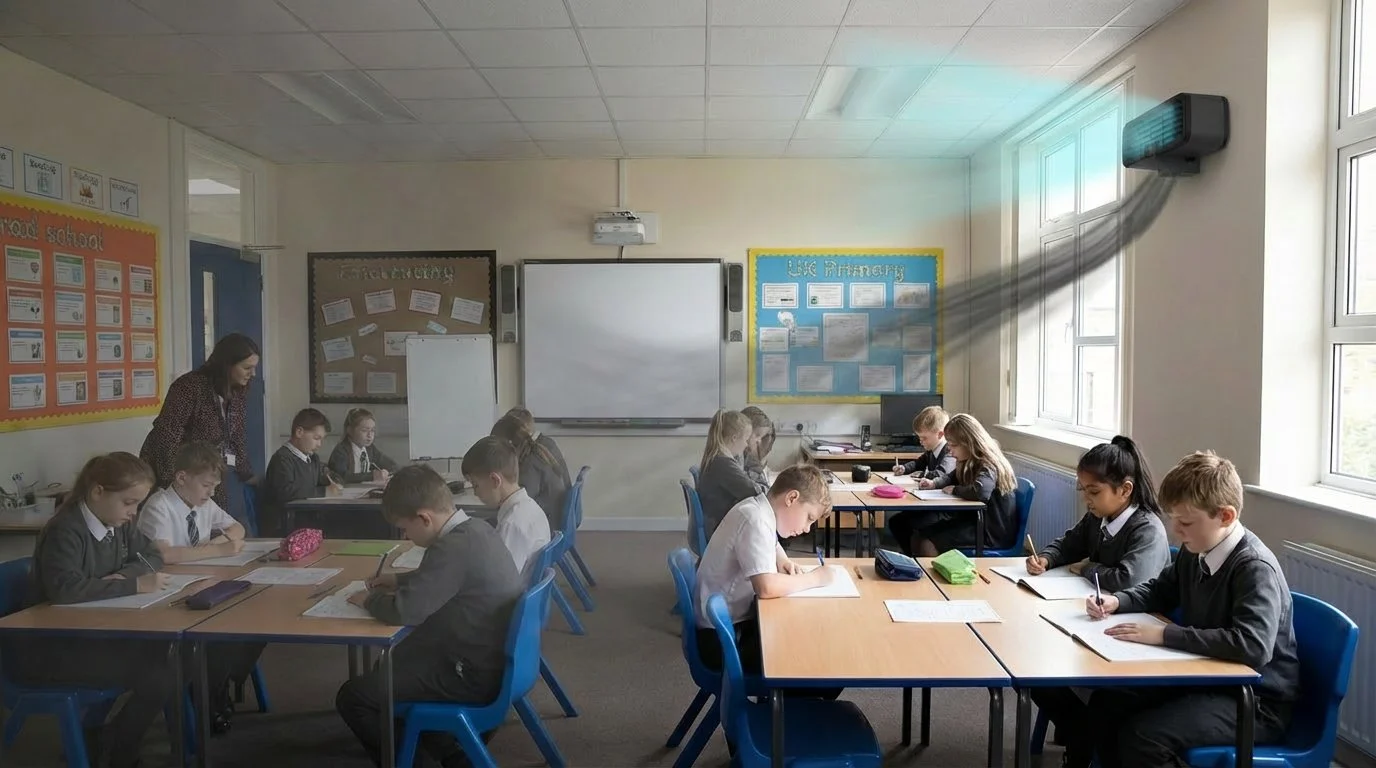
Benefits for students, teachers and schools
Indoor air quality directly influences concentration, comfort and overall learning performance. In busy classroom environments, reducing airborne pollutants such as dust, allergens and fine particulate matter helps create more stable and comfortable conditions for pupils and teaching staff.
By integrating HEPA-grade filtration with UVC pathogen control, classroom air purification systems capture and help neutralise airborne bacteria and viruses retained within the system. This supports wellbeing initiatives, improves classroom comfort and helps maintain consistent indoor environmental standards throughout the school day.
Cleaner air can contribute to reduced irritation, improved focus and a more supportive learning atmosphere from early years through to further education. Investing in classroom air purification demonstrates a commitment to safeguarding, pupil wellbeing and high educational standards.
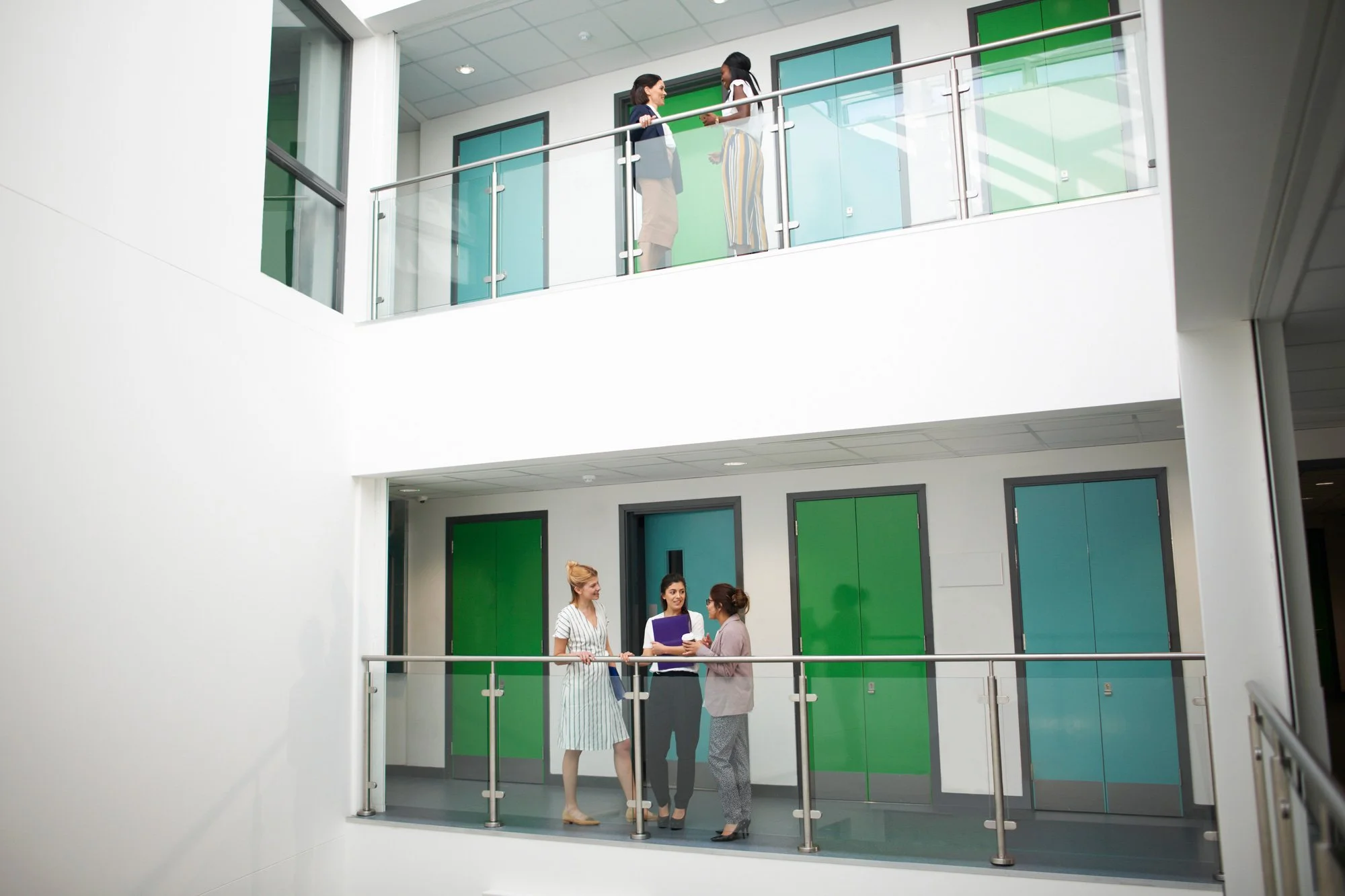
Where Our Systems Are Used in Schools
Our commercial air filtration systems for schools are designed to support a wide range of educational environments and occupancy levels.
We provide clean air solutions for:
Classrooms
Staff rooms
Assembly halls
Libraries
Sports halls
SEN classrooms and specialist learning spaces
Sixth-form and college facilities
Multi-academy trust buildings
Each space presents different airflow patterns, room sizes and occupancy demands. Systems are professionally specified according to classroom dimensions and required air changes per hour to ensure effective air purification across every learning environment. Where specified, integrated HEPA and UVC systems provide both particle capture and controlled pathogen treatment within the unit.
Whether supporting a single classroom or delivering scalable solutions across a multi-site academy trust, our air purification systems are designed to adapt to your needs.
Our Products
Frequently Asked Questions About Air Purifiers for Schools
What are the benefits of using clean air filtration systems in schools?
Air filtration systems in schools enhance indoor air quality by removing pollutants, allergens, and odors. This promotes healthier environments for both students and staff, improving focus, reducing asthma triggers, and supporting overall well-being.
How do air filtration systems for schools improve classroom air quality?
Air filtration systems improve classroom air quality by removing harmful pollutants, allergens, and odors using technologies like HEPA filters and activated carbon. This ensures a healthier environment conducive to learning.
Can air purifiers help children with asthma or allergies?
Yes, air purifiers help children with asthma or allergies by removing airborne allergens like dust, pollen, and pet dander. This reduces triggers and symptoms, creating a safer and more comfortable environment for children with respiratory conditions.
Why should schools invest in air filters for classrooms?
Schools should invest in air filters for classrooms to improve air quality, reduce the spread of airborne illnesses, and create a healthier environment that supports better learning and overall well-being for students and staff.
How do air purifiers for schools eliminate viruses, allergens, and odors in the classroom?
Air purifiers for schools eliminate viruses, allergens, and odors by using HEPA filters, UV-C technology, and activated carbon. These technologies trap particles, kill harmful microorganisms, and neutralize odors, ensuring clean, healthy air.
Contact