
Home / For Business / Schools / What are the benefits of using clean air filtration systems in schools?
Frequently Asked Questions
What are the benefits of using clean air filtration systems in schools?
Speak to a Clean Air Specialist
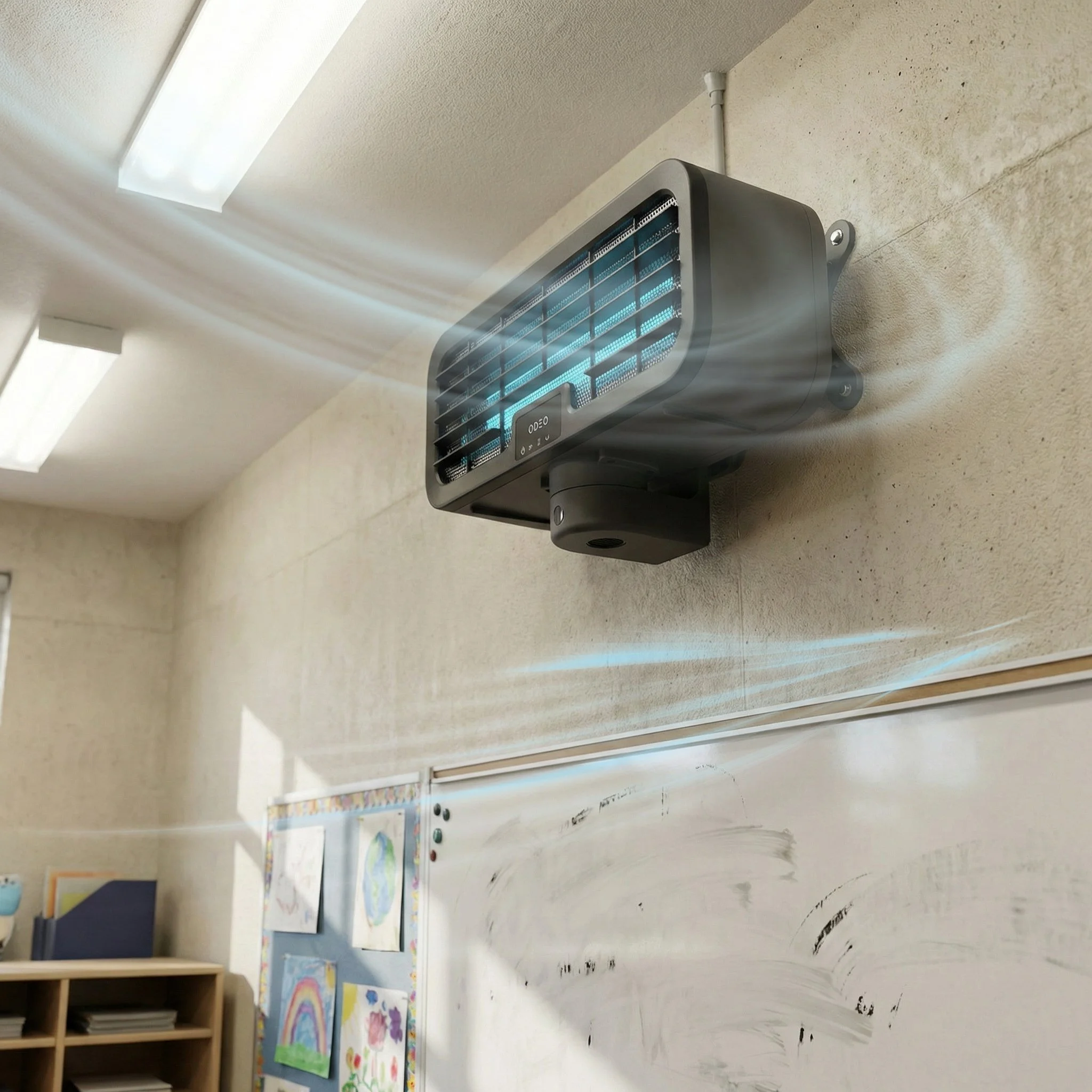
The Importance of Clean Air in Schools
Clean air filtration systems provide numerous benefits to schools by improving indoor air quality. They actively remove airborne pollutants, allergens, and odors, which can have a detrimental impact on students' health. These systems use advanced technology like HEPA filters and activated carbon, capturing particles such as dust, pollen, and pet dander. This leads to a noticeable improvement in the classroom environment, reducing the risk of respiratory problems and enhancing concentration levels. Cleaner air ensures that students and staff breathe in a healthier environment, lowering the likelihood of illness or allergic reactions.
The Impact on Learning and Health
Improved air quality directly benefits students' cognitive abilities and overall health. With fewer allergens and pollutants in the air, children can focus better, leading to enhanced learning experiences. Cleaner air is especially important for students with asthma or allergies, reducing the likelihood of triggers that can affect their well-being. By reducing the presence of harmful particles in the air, schools can create a safer, healthier space where students can thrive academically and physically. Schools with air filtration systems also see fewer absenteeism cases related to respiratory issues, promoting better attendance and more consistent learning outcomes.
Contact Us
Key Benefits of Air Filtration Systems
Improved Air Quality
Air filtration systems work by eliminating harmful particles like dust, mold spores, and pollutants, ensuring students breathe cleaner, fresher air. This helps in reducing the spread of illnesses and allergens in the classroom. Cleaner air contributes to better overall health for both students and staff. It decreases the risks of respiratory conditions, such as asthma, and helps prevent the aggravation of allergies. By maintaining a safe indoor environment, air filtration systems protect vulnerable students and staff members from harmful air contaminants. Cleaner air also helps in reducing the presence of bacteria and viruses, further promoting the health of everyone in the classroom.
Enhanced Concentration
A cleaner environment leads to improved focus and concentration. Students are less likely to feel tired or distracted, resulting in better academic performance and engagement in class activities. Air filtration systems remove irritants that cause discomfort, which can often lead to loss of concentration. Clean air has also been linked to higher cognitive function and productivity, as students are less likely to experience fatigue or allergies. A comfortable, clean environment promotes active learning, as students can focus without the distraction of allergens, dust, or other airborne particles. This can lead to better results in exams and more effective learning sessions.
Reduced Respiratory Issues
Installing air filtration systems in schools minimizes the chances of respiratory problems like asthma, coughs, or colds. This provides a healthier space for children to learn and grow. Asthma, allergies, and respiratory issues are major concerns in many schools, especially in environments where airborne irritants are prevalent. With better air quality, these issues can be significantly reduced, lowering the number of sick days and promoting overall well-being. Cleaner air helps in preventing flare-ups of asthma, reduces the risk of respiratory infections, and improves general health. This is especially beneficial for children who are more susceptible to poor air quality.
Odor Removal
Air purifiers eliminate unpleasant odors in classrooms, such as food smells or mold, creating a more comfortable environment for both students and teachers. Odors in the classroom can be distracting and lead to discomfort, reducing concentration and focus. By filtering the air and removing unwanted smells, air purifiers create a more pleasant atmosphere conducive to learning. These odors can also be a source of allergens or harmful particles, making their removal essential for maintaining good air quality. A fresh, clean-smelling classroom helps maintain a positive learning environment, making it easier for students to concentrate and for teachers to engage with their class.
Better Teacher Performance
Teachers benefit from a cleaner, healthier environment as well, experiencing fewer sick days and enhanced productivity, ensuring a consistent learning experience for students. A classroom with poor air quality can lead to teachers suffering from respiratory issues, fatigue, or even headaches, which may impact their performance and effectiveness. By providing a clean and safe environment, teachers can focus on delivering lessons without the distraction of air quality issues. Air filtration systems also help in reducing the likelihood of airborne illnesses, keeping staff members healthier and more active in their work, which, in turn, benefits the entire school community.
Conclusion
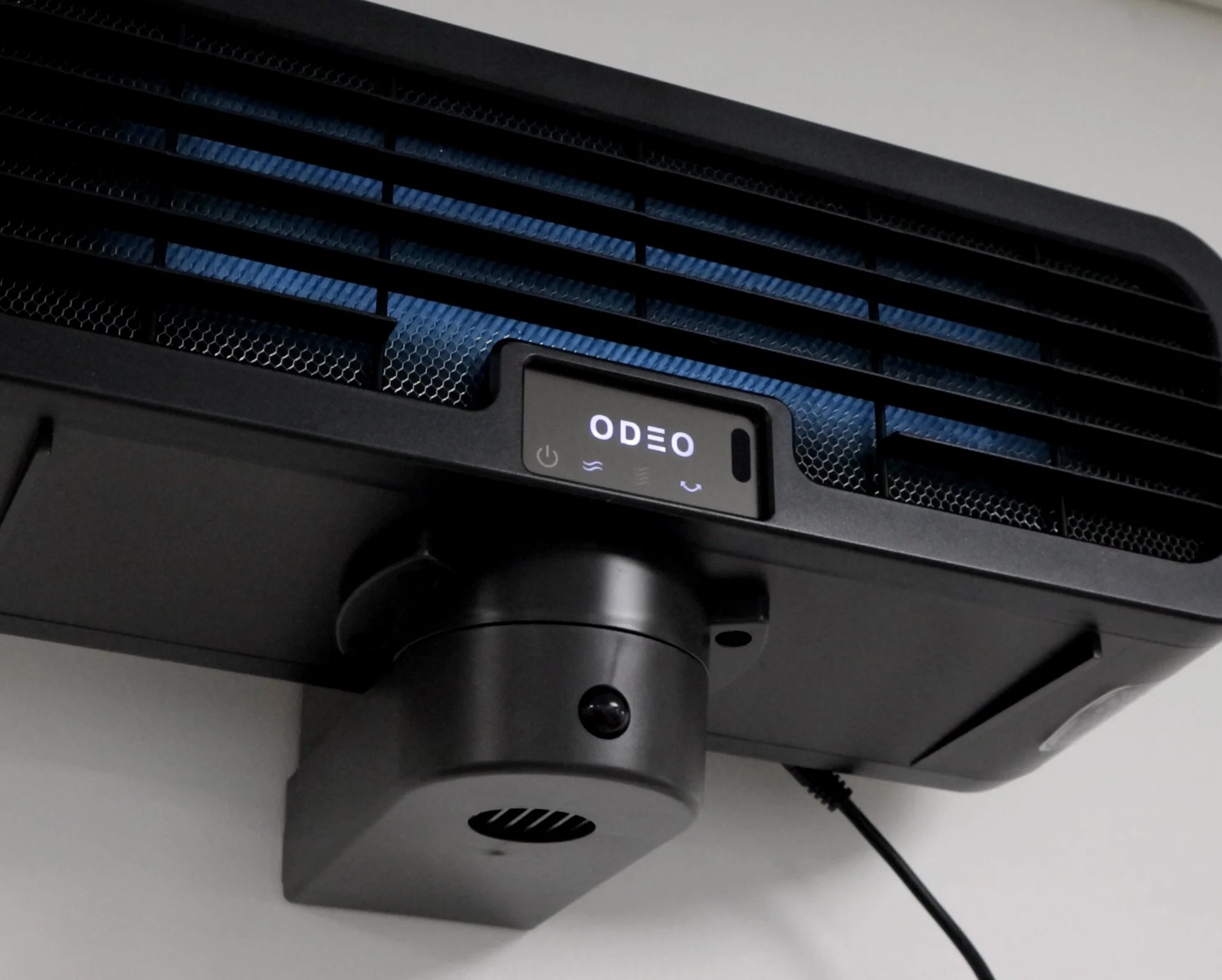
Air filtration systems such as the Aeroguard 360, Aeroguard Mini, Odeo, Philipiak, and Hextio offer significant benefits for schools. These systems improve air quality, reduce absenteeism, and create a better learning environment. With technologies like HEPA filters, UV-C, and activated carbon, schools can provide a safer, healthier environment for both students and staff. Investing in air filtration is essential for promoting better health, enhanced academic performance, and overall well-being in schools.
Contact Us
Contact
Install HEPA Air Purifiers in
Your Nursery Today
New DfE guidance recommends that nurseries actively monitor indoor air quality. Most settings haven't started yet, and most have never had a professional test.
A free on-site health check takes one visit. We bring professional monitoring equipment, take CO₂ and particulate readings in your main activity rooms, and give you a plain-English summary of exactly what's in your air.
No jargon. No obligation. You keep your data regardless of what you decide.
We also work with care homes, funeral directors, hospitals and other sensitive environments where air quality directly affects the people in your care.
What to do: Complete the form, and we'll be in touch to arrange your Air Quality Test.
Not ready to book yet? Download the free Nursery Air Quality Risk Review first