
Home / For Business / Schools / How do air filtration systems for schools improve classroom air quality?
Frequently Asked Questions
How do air filtration systems for schools improve classroom air quality?
Speak to a Clean Air Specialist

How Air Filtration Systems Work
Air filtration systems for schools utilize advanced technologies such as HEPA filters, UV-C technology, and activated carbon to purify indoor air. Systems like the Aeroguard 360 effectively trap airborne pollutants, allergens, and microorganisms, preventing them from circulating in the classroom. Aeroguard Mini, designed for smaller spaces, provides quieter and effective filtration, perfect for individual classrooms. UV-C technology sterilizes the air by killing bacteria and viruses, while activated carbon absorbs odors and harmful gases. These technologies combine to ensure classrooms remain free of allergens, bacteria, and unpleasant odors, creating a cleaner, healthier air environment for students and staff.
Benefits of Cleaner Air for Students
Air filtration systems like the Odeo provide significant health benefits by removing airborne allergens and pollutants. Odeo is designed for continuous use, offering quieter operation in classrooms while reducing dust, pollen, and pet dander. Cleaner air leads to fewer asthma attacks, allergic reactions, and overall better respiratory health. Students are also able to concentrate better in a cleaner, more comfortable environment. Cleaner air has been shown to boost cognitive function, leading to better concentration and better learning outcomes. Additionally, it reduces the frequency of respiratory issues, contributing to fewer sick days and creating a more consistent learning experience.
Contact Us
Key Features of Air Filtration Systems for Classrooms
HEPA Technology
HEPA filters in systems like the Aeroguard Mini effectively capture airborne allergens like pollen, dust, and pet dander. This helps create a healthier classroom environment by reducing the risk of respiratory problems and allergic reactions. HEPA technology is one of the most effective ways to trap small particles, including those that can trigger asthma or allergies. This ensures that the air in classrooms remains clean and free from harmful contaminants. By capturing these particles, HEPA filters improve indoor air quality, creating a safer space for students to learn and focus.
UV-C Technology
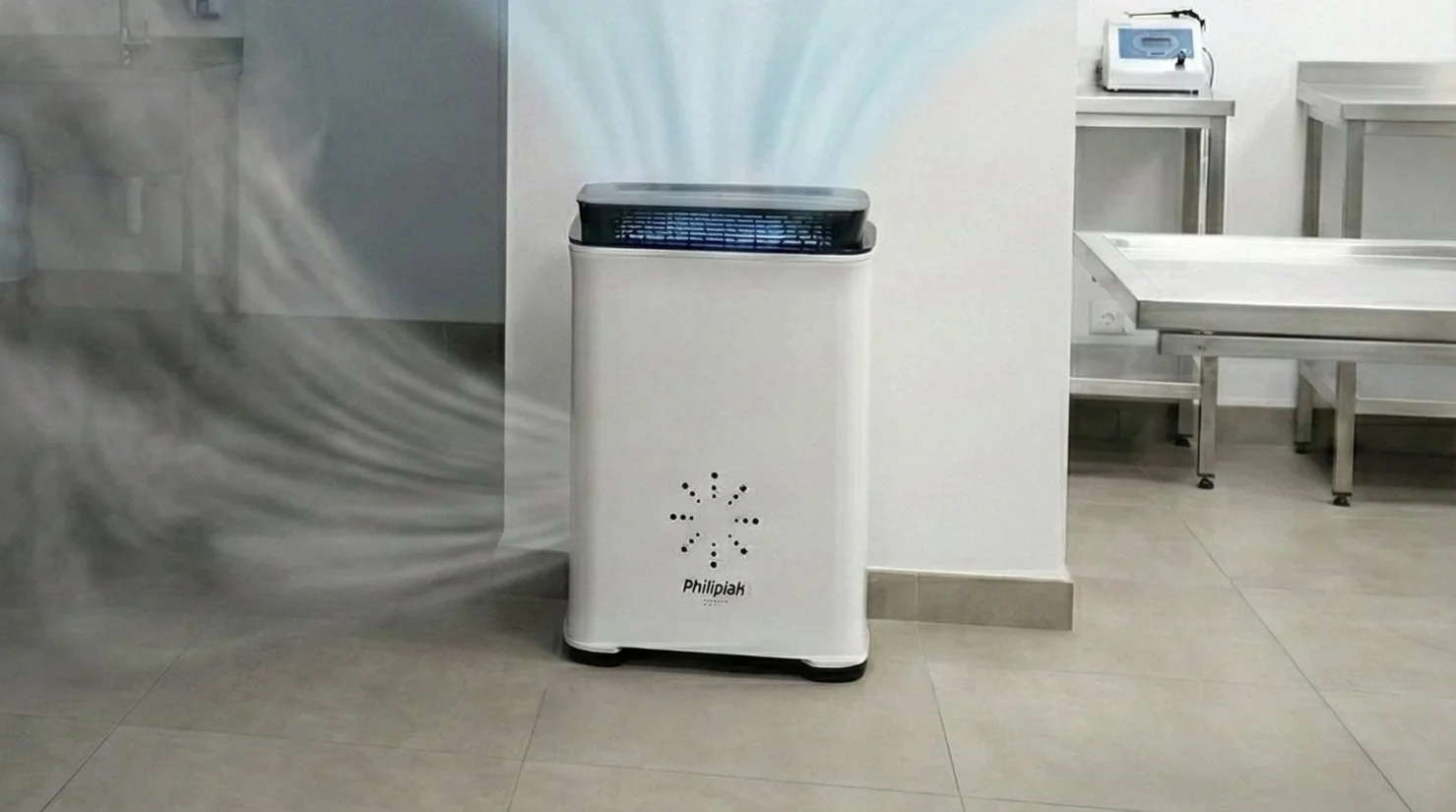
UV-C technology in systems like the Philipiak air purifier works by killing bacteria and viruses, further purifying the air in classrooms. This helps reduce the spread of illnesses such as the flu, cold, and other respiratory infections. UV-C light neutralizes microorganisms by disrupting their DNA, making them unable to reproduce and spread. This technology is particularly effective in environments like schools, where germs and bacteria can easily circulate. By incorporating UV-C technology, air purifiers help maintain a healthy classroom environment, reducing the likelihood of illnesses among students and staff.
Activated Carbon
Activated carbon filters in systems like the Odeo remove odors and chemicals from the air, creating a more pleasant environment. These filters trap volatile organic compounds (VOCs) and other harmful gases, such as formaldehyde and ammonia, which can be present in cleaning products or building materials. Removing these pollutants not only improves the air quality but also eliminates unpleasant odors that can distract students and teachers. By filtering out these harmful chemicals, activated carbon ensures that the classroom air is fresh, clean, and free from irritants that can affect students' concentration and well-being.
Low Noise Operation
Aeroguard Mini and Odeo are designed to operate quietly, ensuring that they do not disrupt lessons while continuously improving air quality. Noise can be a significant distraction in classrooms, making it difficult for students to focus on their work. Air purifiers that operate quietly provide clean air without causing unnecessary noise or disruption. This is especially important in learning environments, where maintaining a calm, quiet atmosphere is essential for effective teaching and learning. Silent operation allows students to benefit from cleaner air without the discomfort of noise, ensuring a better learning experience for everyone.
Continuous Operation
Air filtration systems like the Aeroguard 360 and Hextio are designed for continuous use, ensuring that the classroom air remains clean throughout the day. Aeroguard 360 is ideal for larger classrooms, running constantly to maintain high air quality levels. The Hextio, a discreet, wall-mounted purifier, provides targeted air cleaning in smaller areas, ensuring the air stays fresh and healthy. Continuous operation is key in classrooms, where air quality can degrade throughout the day due to the presence of students, teachers, and various classroom activities. Air purifiers ensure that the air stays clean all day long.
Conclusion
Air filtration systems like the Aeroguard Mini, Aeroguard 360, Odeo, Philipiak, and Hextio significantly improve classroom air quality by removing harmful particles, allergens, and odors. These purifiers use technologies like HEPA, UV-C, and activated carbon to create a healthier, safer environment for students and staff. Cleaner air improves focus, reduces respiratory issues, and promotes better overall health. Schools investing in these air purifiers provide their students with the best chance for academic success and well-being by ensuring the air they breathe is as clean as possible.
Contact Us
Contact
Install HEPA Air Purifiers in
Your Nursery Today
New DfE guidance recommends that nurseries actively monitor indoor air quality. Most settings haven't started yet, and most have never had a professional test.
A free on-site health check takes one visit. We bring professional monitoring equipment, take CO₂ and particulate readings in your main activity rooms, and give you a plain-English summary of exactly what's in your air.
No jargon. No obligation. You keep your data regardless of what you decide.
We also work with care homes, funeral directors, hospitals and other sensitive environments where air quality directly affects the people in your care.
What to do: Complete the form, and we'll be in touch to arrange your Air Quality Test.
Not ready to book yet? Download the free Nursery Air Quality Risk Review first