
Home / For Business / Veterinary Practices / Can air purifiers help reduce pet odours and smells in clinics?
Frequently Asked Questions
Can air purifiers help reduce pet odours and smells in clinics?
Speak to a Clean Air Specialist
Managing odours in veterinary environments
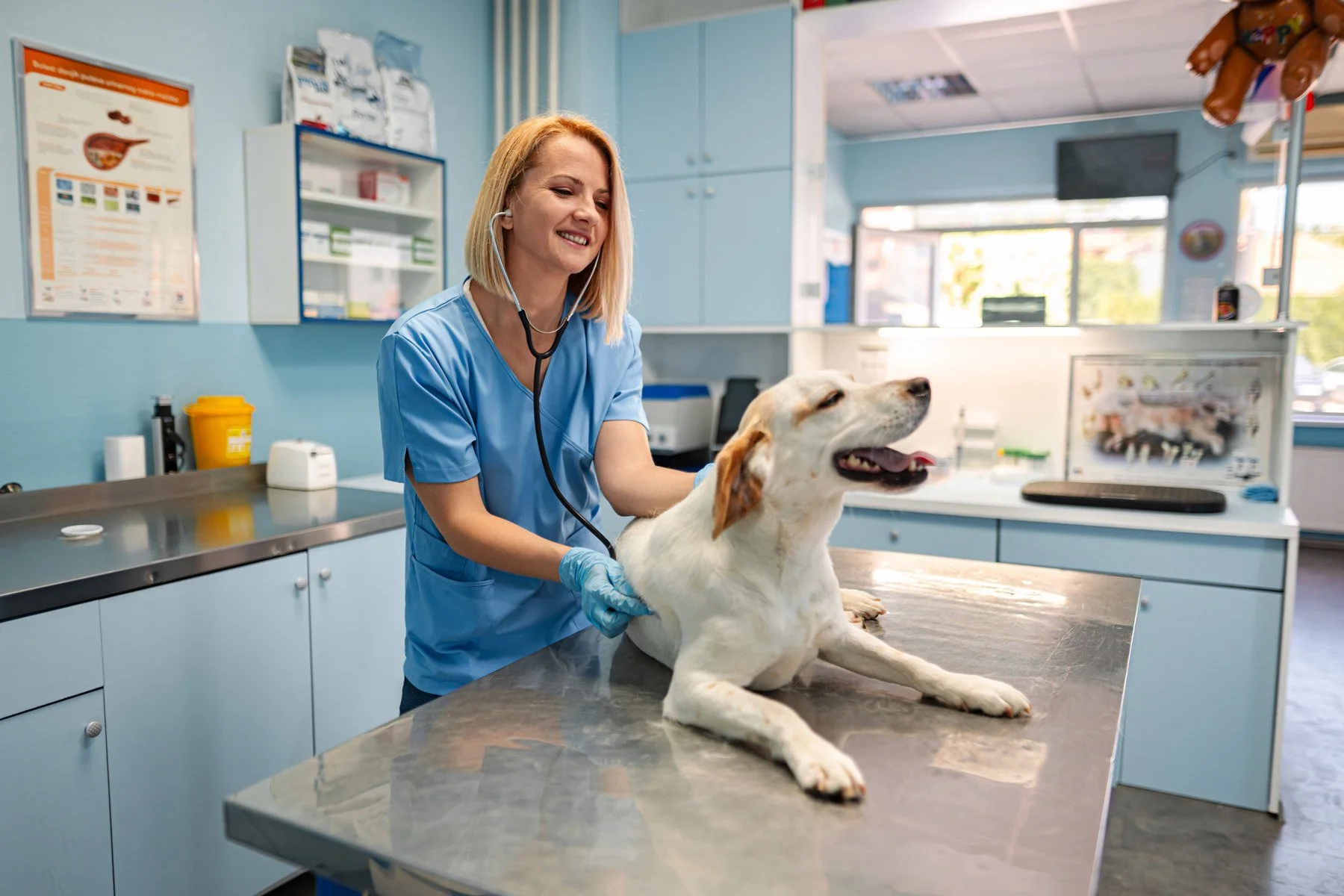
Veterinary practices regularly experience strong and persistent odours from animals, treatments and cleaning products. Without proper ventilation, these smells can build quickly and affect both staff and client experience. A pet air cleaner with activated carbon filtration is designed to absorb and neutralise odours rather than simply masking them. Systems such as the Aeroguard Mini and Odeo1 are particularly effective in smaller rooms, providing targeted odour control. This helps maintain a fresher, more professional environment across consultation rooms, waiting areas and treatment spaces.
Advanced filtration for odour control
Carbon filtration works alongside HEPA technology to remove both airborne particles and odour-causing gases. This dual-stage approach ensures that not only visible contaminants but also microscopic odour molecules are effectively captured. As a result, the air feels noticeably cleaner and more comfortable. To maintain performance, regular maintenance such as timely filter replacement is essential. Professional systems are designed for continuous operation, allowing odours to be managed consistently throughout the day, even in busy veterinary environments with high levels of activity.
Contact Us
How air purifiers reduce clinic odours
Carbon filtration technology
Activated carbon filters are highly effective at absorbing odour-causing gases and volatile compounds commonly found in veterinary settings. These include smells from animals, cleaning products and treatments. By trapping these particles within the filter, the system removes odours at the source rather than covering them up. This makes carbon filtration an essential feature in any air cleaner for pet odour, helping maintain a fresher and more hygienic indoor environment throughout the practice.
Continuous air circulation
Air purifiers work by continuously drawing in air, filtering it, and releasing clean air back into the space. This constant circulation prevents odours from settling and lingering, which is especially important in busy veterinary practices. In areas such as waiting rooms and treatment spaces, where there is a high turnover of animals, continuous air cleaning helps maintain consistent freshness and prevents unpleasant smells from building up over time.
Support for hygiene standards
Reducing odours plays an important role in maintaining a clean and professional clinical environment. Strong smells can often be associated with poor hygiene, even when cleaning standards are high. By controlling odours effectively, air purifiers help reinforce a perception of cleanliness and care. This supports client confidence and contributes to a more comfortable experience for both visitors and staff within the veterinary practice.
Compact solutions for smaller rooms
Smaller spaces such as consultation rooms and offices require targeted air purification without bulky equipment. Units like the Aeroguard Mini and Odeo1 are designed to deliver powerful filtration in compact formats, making them ideal for these environments. They provide effective odour control while fitting neatly into limited spaces, ensuring that even smaller areas benefit from improved air quality and a fresher atmosphere.
Maintenance for consistent performance
To ensure ongoing effectiveness, carbon filters must be replaced regularly as they become saturated over time. Professional air purification systems are designed with simple maintenance in mind, allowing staff to carry out filter changes quickly and easily. Many systems also include monitoring features to indicate when maintenance is required. This ensures consistent odour control performance and helps maintain a clean, fresh environment without disruption to daily operations.
Conclusion
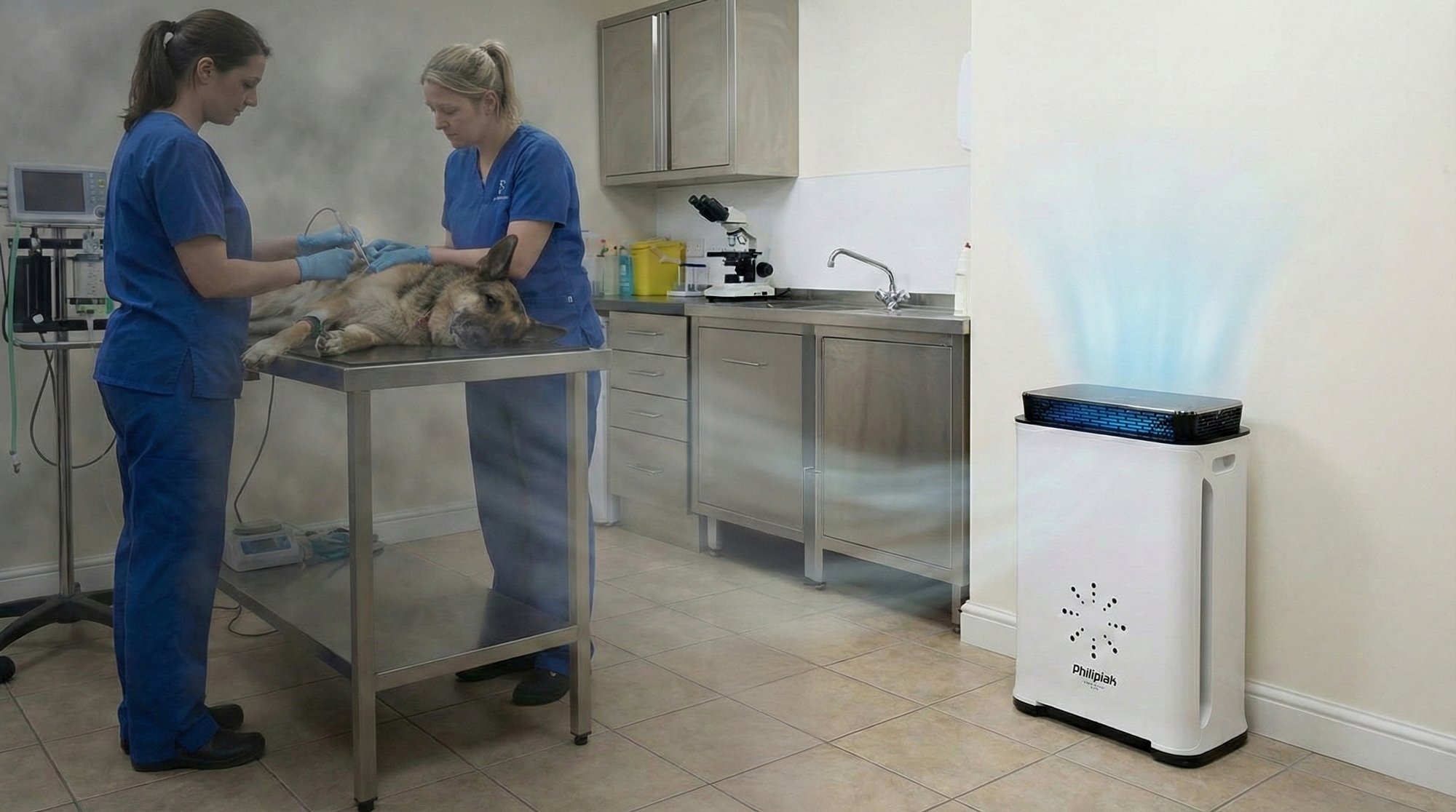
Air purifiers equipped with carbon filtration technology are highly effective at reducing pet odours in veterinary clinics. By continuously removing odour particles and refreshing the air, systems such as Aeroguard Mini and Odeo1 improve both client experience and staff comfort. With regular maintenance and consistent use, these solutions provide reliable, long-term odour control. The result is a cleaner, more welcoming and professional veterinary environment that supports both clinical standards and overall wellbeing.
Contact Us
Contact
Install HEPA Air Purifiers in
Your Nursery Today
New DfE guidance recommends that nurseries actively monitor indoor air quality. Most settings haven't started yet, and most have never had a professional test.
A free on-site health check takes one visit. We bring professional monitoring equipment, take CO₂ and particulate readings in your main activity rooms, and give you a plain-English summary of exactly what's in your air.
No jargon. No obligation. You keep your data regardless of what you decide.
We also work with care homes, funeral directors, hospitals and other sensitive environments where air quality directly affects the people in your care.
What to do: Complete the form, and we'll be in touch to arrange your Air Quality Test.
Not ready to book yet? Download the free Nursery Air Quality Risk Review first