
Home / For Business / Offices / Can air purifiers help reduce the spread of illnesses in the workplace?
Frequently Asked Questions
Can air purifiers help reduce the spread of illnesses in the workplace?
Speak to a Clean Air Specialist

Reducing airborne transmission in offices
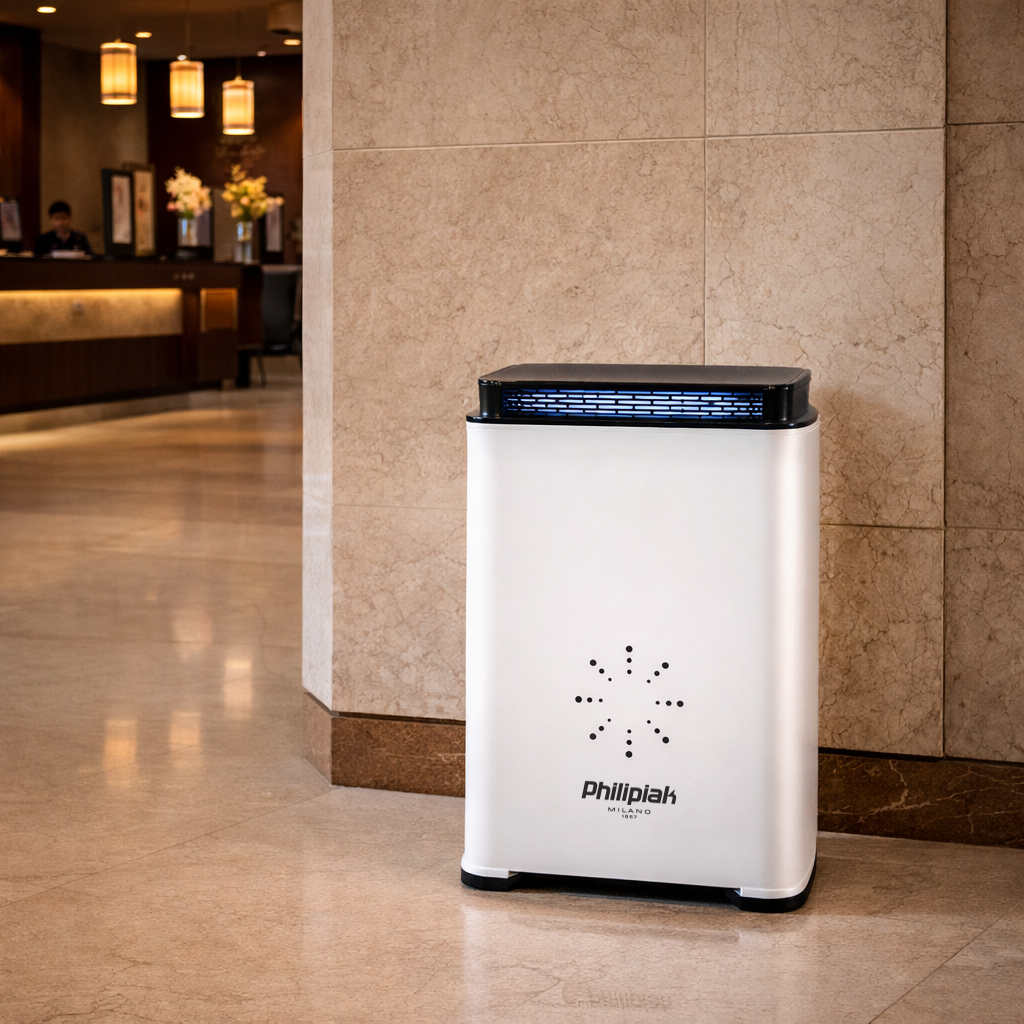
Workplaces often involve shared spaces where airborne particles can circulate. Air filtration systems for office environments help reduce this risk by capturing contaminants before they spread. Systems like Philipiak combine HEPA filtration with air sterilisation technology, helping neutralise harmful microorganisms in the air.
By continuously cleaning the air, these systems lower the concentration of airborne particles, supporting a healthier workplace. This is especially important in enclosed offices where ventilation may be limited and employees spend extended periods indoors.
Supporting workplace hygiene strategies
Air purifiers for businesses are not a substitute for cleaning or hygiene protocols, but they enhance overall protection. Combining surface cleaning with air filtration creates a more comprehensive approach to workplace health.
Products such as Aeroguard 360 and Hextio provide consistent air cleaning across different office areas. Regular maintenance ensures filters remain effective, preventing contamination build-up and ensuring systems operate efficiently over time.
Contact Us
How air purifiers help reduce illness spread
HEPA filtration of airborne particles
HEPA air purifiers are designed to capture extremely fine airborne particles, including dust, allergens and microscopic droplets that may carry bacteria or viruses. By removing these contaminants from the air, they help reduce the overall concentration of potentially harmful particles within office environments. This is particularly important in enclosed or poorly ventilated spaces, where airborne pollutants can circulate more easily. High-performance HEPA filtration supports cleaner air systems and contributes to improved indoor air quality, helping to create a healthier and more controlled working environment for employees and visitors.
Air sterilisation technology
In addition to filtration, advanced air purification technology such as Philipiak systems incorporates air sterilisation processes to actively neutralise microorganisms. These systems go beyond simply trapping particles, using clean air technology to help break down bacteria and viruses at a molecular level. This added layer of protection enhances the effectiveness of air purification, particularly in environments where hygiene is critical. By combining HEPA air purifiers with sterilisation features, businesses can achieve a more comprehensive approach to cleaning air and maintaining safer indoor conditions.
Continuous air cleaning
Air purifiers provide continuous air cleaning, operating throughout the working day to maintain consistent air quality levels. Unlike manual cleaning methods, which only address surfaces at specific times, air purification systems work constantly to remove airborne contaminants as they are introduced. This ongoing process helps prevent the build-up of pollutants, ensuring that indoor environments remain fresh and hygienic. Continuous filtration is particularly beneficial in busy workplaces where people are moving throughout the space, helping to stabilise AQI measurement levels and support overall wellbeing.
Protection in shared spaces
Shared environments such as meeting rooms, kitchens and open-plan offices can become hotspots for airborne pollutants due to higher occupancy and increased activity. Air purifiers help reduce the spread of illness in these areas by continuously filtering and cleaning the air, lowering the risk of exposure to airborne contaminants. Portable air purifiers or scalable clean air systems can be strategically placed to target high-traffic zones, ensuring that even the busiest areas benefit from improved air quality and enhanced protection for staff.
Maintenance for consistent hygiene
To ensure optimal performance, regular maintenance is essential for any air purification system. This includes timely replacement of HEPA and activated carbon filters to prevent the build-up of captured pollutants and maintain efficiency. Well-maintained air purifiers continue to deliver reliable air purification technology, supporting long-term hygiene and consistent indoor air quality. Proper servicing also helps extend the lifespan of the system, ensuring businesses continue to benefit from effective air cleaning and protection against airborne contaminants.
Conclusion
The best air purifier for an office combines strong filtration, quiet performance and easy maintenance. By choosing the right system for each space, businesses can improve air quality, support employee wellbeing and maintain a clean and comfortable working environment.
Contact Us
Contact
Install HEPA Air Purifiers in
Your Nursery Today
New DfE guidance recommends that nurseries actively monitor indoor air quality. Most settings haven't started yet, and most have never had a professional test.
A free on-site health check takes one visit. We bring professional monitoring equipment, take CO₂ and particulate readings in your main activity rooms, and give you a plain-English summary of exactly what's in your air.
No jargon. No obligation. You keep your data regardless of what you decide.
We also work with care homes, funeral directors, hospitals and other sensitive environments where air quality directly affects the people in your care.
What to do: Complete the form, and we'll be in touch to arrange your Air Quality Test.
Not ready to book yet? Download the free Nursery Air Quality Risk Review first