
Home / For Business / Nurseries / Can air purifiers help reduce the spread of germs and viruses in nurseries?
Frequently Asked Questions
Can air purifiers help reduce the spread of germs and viruses in nurseries?
Speak to a Clean Air Specialist
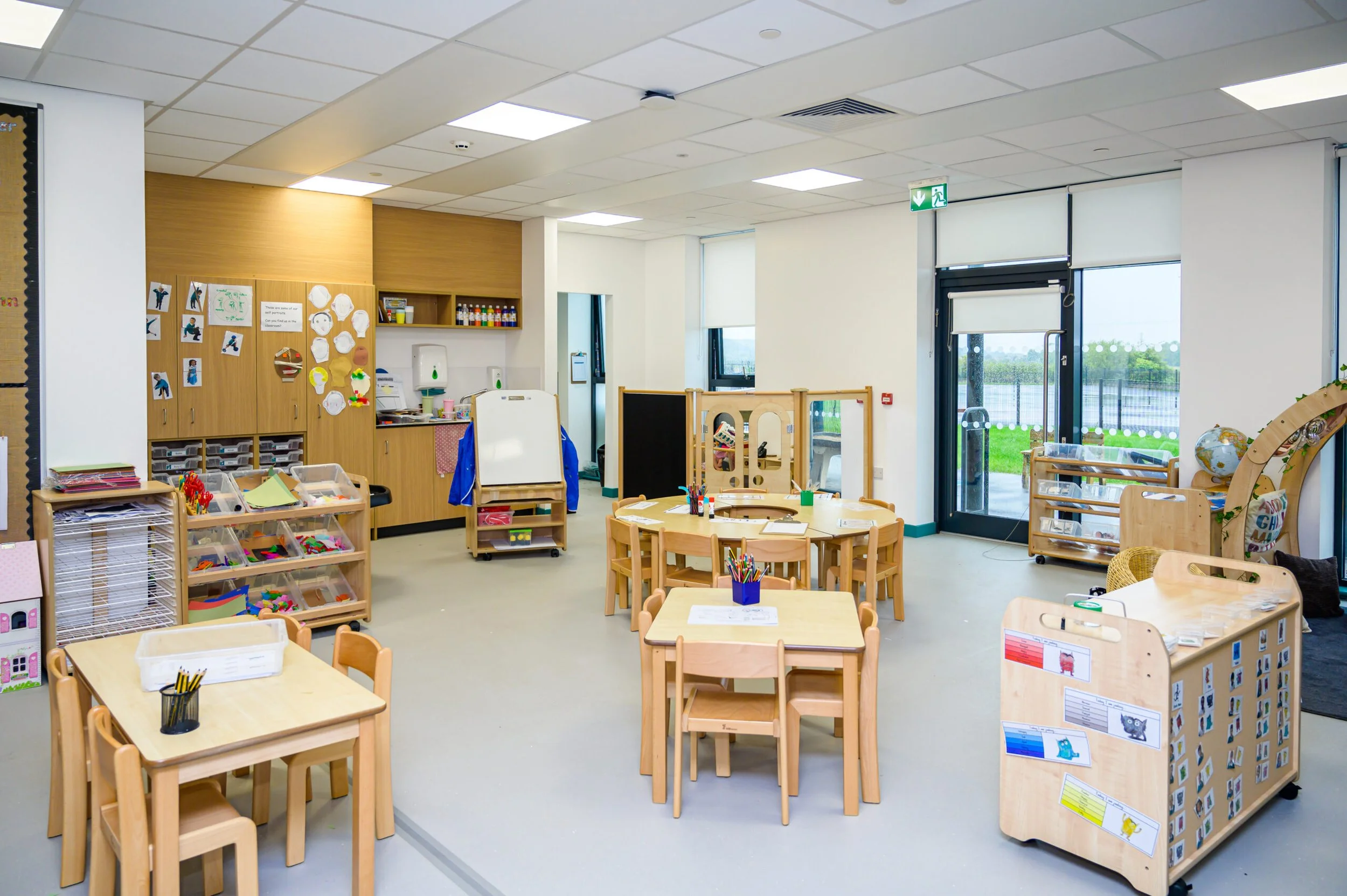
Reducing airborne transmission in nurseries
Nurseries are high-contact environments where germs and viruses can spread quickly, particularly in busy indoor spaces where children play, learn and interact closely. Air purifiers for viruses work by continuously removing airborne particles that may carry bacteria and viruses, helping to reduce their presence in the air. This is especially beneficial in shared areas such as playrooms, nap areas and classrooms, where maintaining cleaner air can support healthier environments for both children and staff throughout the day.
The role of filtration in virus reduction
High-quality air purifiers use advanced HEPA filtration capable of capturing extremely small particles, including those associated with airborne pathogens. These systems work alongside activated carbon filters to further improve air quality by removing harmful gases and odours. While air purifiers do not eliminate all risk, they can significantly reduce the concentration of airborne contaminants. When combined with good ventilation, regular cleaning routines and strong hygiene practices, they form an important part of a layered approach to infection control in nursery settings.
Contact Us
How air purifiers support healthier nursery environments
1. Capture of airborne droplets
Air purifiers help capture airborne droplets that may contain viruses or bacteria, particularly those released through coughing, sneezing or talking. These droplets can remain suspended in the air and contribute to the spread of illness in enclosed environments. By filtering these particles out, air purifiers reduce the overall concentration of potentially harmful contaminants, helping to create a safer indoor environment for both children and staff in nursery settings.
2. Continuous air cleaning
Unlike manual cleaning methods, which are carried out at specific times during the day, air purifiers provide continuous air filtration. This means airborne contaminants are constantly being removed, even as they are introduced into the environment. In busy nurseries where activity levels are high, this ongoing process helps maintain lower levels of airborne germs and contributes to a more consistently clean and healthy indoor space throughout the day.
3. Support for infection control measures
Air purifiers are most effective when used alongside existing infection control measures such as handwashing, surface cleaning and proper ventilation. They act as an additional layer of protection by addressing airborne contaminants that other methods may not fully capture. This combined approach helps nurseries create a more comprehensive hygiene strategy, reducing the risk of illness spreading and supporting a healthier environment for children and staff.
4. Improved air circulation
Proper air circulation plays an important role in reducing the spread of airborne illnesses. Air purifiers help keep air moving and filtered, preventing the build-up of stagnant air where viruses and bacteria can linger. By improving airflow within nursery rooms, they help dilute airborne contaminants and distribute cleaner air more evenly, contributing to a fresher and safer indoor environment for children and staff.
5. Suitable for classrooms and shared spaces
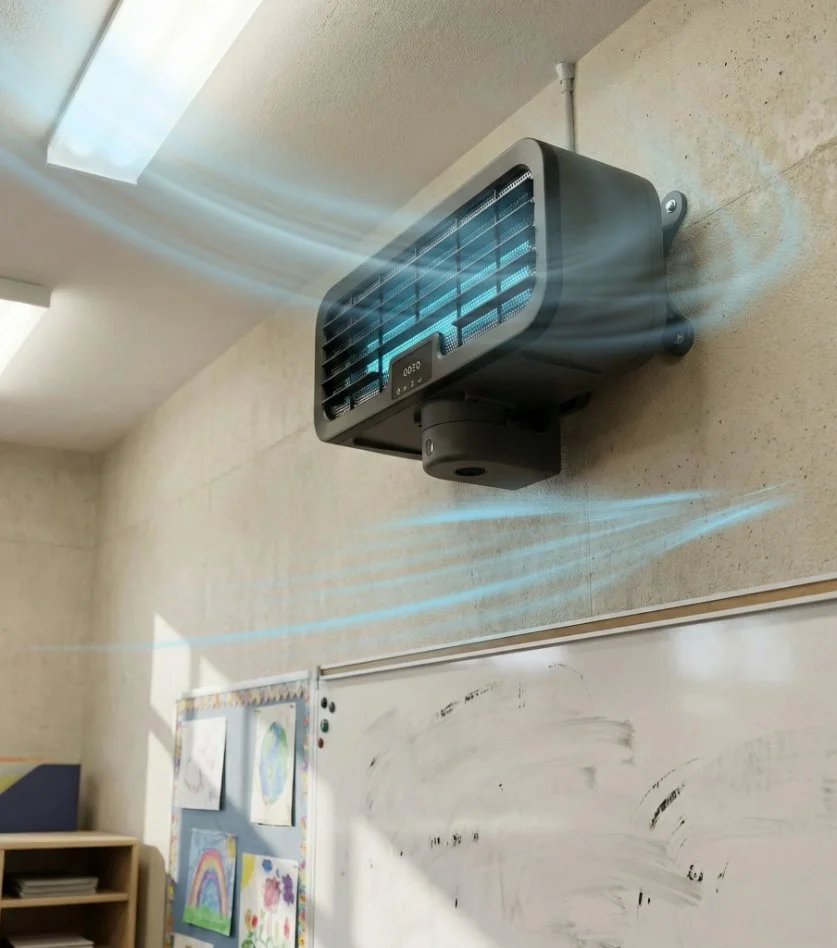
Classroom air filters are particularly effective in shared nursery spaces where multiple children interact throughout the day. These environments are more prone to the spread of airborne contaminants due to close contact and high occupancy levels. Air purifiers designed for these settings help manage air quality effectively, ensuring that the air remains cleaner and reducing the overall risk of airborne transmission in busy childcare environments.
Conclusion
Air purifiers are not a standalone solution for preventing illness, but they play an important role in reducing airborne germs and viruses in nurseries. By improving air quality and lowering the concentration of harmful particles, they support safer indoor environments. When used alongside proper hygiene and cleaning protocols, they provide an added layer of protection that benefits both children and staff in childcare settings.
Contact Us
Contact
Install HEPA Air Purifiers in
Your Nursery Today
New DfE guidance recommends that nurseries actively monitor indoor air quality. Most settings haven't started yet, and most have never had a professional test.
A free on-site health check takes one visit. We bring professional monitoring equipment, take CO₂ and particulate readings in your main activity rooms, and give you a plain-English summary of exactly what's in your air.
No jargon. No obligation. You keep your data regardless of what you decide.
We also work with care homes, funeral directors, hospitals and other sensitive environments where air quality directly affects the people in your care.
What to do: Complete the form, and we'll be in touch to arrange your Air Quality Test.
Not ready to book yet? Download the free Nursery Air Quality Risk Review first